



Best Whitening Cream in Pakistan: How to Spot a Safe One (And Avoid the Dangerous Ones)
We sell a brightening cream, so you can reasonably expect us to tell you ours is the best. Instead, here is something more useful: how to judge any cream in this category, including ours, and why the fastest-working ones on the market are usually the most dangerous.
The whitening cream market in Pakistan is huge and lightly policed. Products that produce dramatic results in two weeks are doing so for a reason, and that reason is usually mercury, a strong steroid, or high-dose hydroquinone — all of which cause long-term damage that is far harder to fix than the problem you started with.
The good news is that the red flags are easy to spot once you know them.
Whitening vs brightening — the difference matters
These two words get used interchangeably on Pakistani packaging, but they describe different things. 'Whitening' implies changing your overall complexion to something lighter than you naturally are. 'Brightening' means fading excess pigment — dark spots, post-acne marks, tanning, dullness — so your skin returns to its own healthy baseline and reflects light better.
The second is achievable and safe. The first is not achievable safely at all. Your baseline melanin level is genetic; the only things that force it lower are aggressive agents that damage the skin in the process.
When you read 'whitening' on a label in Pakistan — including on ours, because that is the language the market uses — what a responsible product actually delivers is the brightening definition.
A useful reframe: the goal isn't a different colour. It's your own skin, clear and even, without the spots and tanning sitting on top of it.
What makes a cream dangerous
Three things show up repeatedly in the unregulated end of this market, and all three are reasons to put the jar down.
Mercury compounds — Banned in cosmetics in most countries and repeatedly found in skin-lightening creams sold informally across South Asia. Mercury blocks melanin production aggressively — and accumulates in the body, damaging kidneys and the nervous system. It is often not listed on the label at all.
Strong topical steroids — Usually clobetasol or betamethasone. They lighten skin quickly and cause skin thinning, visible broken capillaries, stubborn acne, facial hair growth, and severe rebound darkening when you stop. Steroids belong in a dermatologist's prescription, not a beauty cream.
High-dose hydroquinone — Effective at regulated strengths under medical supervision, but prolonged unsupervised use can cause ochronosis — a blue-grey permanent darkening that is extremely difficult to treat.
The red flags you can check in ten seconds
No ingredient list anywhere on the packaging
No batch number, manufacturing date or expiry date
No manufacturer name and physical address on the label
Promises of visible fairness in 7 or 14 days — no cell cycle works that fast
Sold loose, repackaged, or in unbranded tubs and jars
A strong medicinal smell, or a texture that separates oddly
Instructions telling you to avoid the sun completely rather than to use sunscreen
Also worth knowing: if a cream has made your skin dramatically lighter within a month and your skin now flares up every time you stop using it, that is the classic steroid dependency pattern. Stop and see a dermatologist.
What actually works — and how fast
Safe brightening works by one of a few mechanisms: slowing melanin production, speeding up cell turnover so pigmented cells shed faster, or protecting the skin from the UV that triggers pigment in the first place. All of them are gradual by nature.
Realistic timelines: three to four weeks for improved texture and brightness, six to eight weeks for visible fading of recent marks and tanning, and three months or more for older or deeper pigmentation. Melasma in particular is stubborn and often needs a dermatologist.
Shea & cocoa butter — Deep hydration. Well-moisturised skin reflects light evenly, which accounts for a surprising amount of what people call 'glow'.
Regular gentle exfoliation — Clearing the dead surface layer is the fastest visible improvement available, and it is free of risk when not overdone.
Botanical antioxidants — Support the skin against the daily oxidative stress that drives dullness and uneven tone.
Sunscreen, daily — The single most effective anti-pigmentation step there is. Without it nothing else holds.
How to use a brightening cream properly
Patch test first — Inner arm, 48 hours, before anything goes near your face. Every time, with every new product.
Apply to clean skin — Cleanse first. Cream over dirt and sunscreen residue does very little.
A pea-sized amount — More is not faster. It is just wasted.
Night is the better slot — Skin repairs overnight and there is no UV working against you.
Sunscreen every morning — Non-negotiable. Brightening at night and tanning by day is running in place.
Give it 8 weeks — Then judge. Switching products every three weeks guarantees you never find out what works.
What's in ours
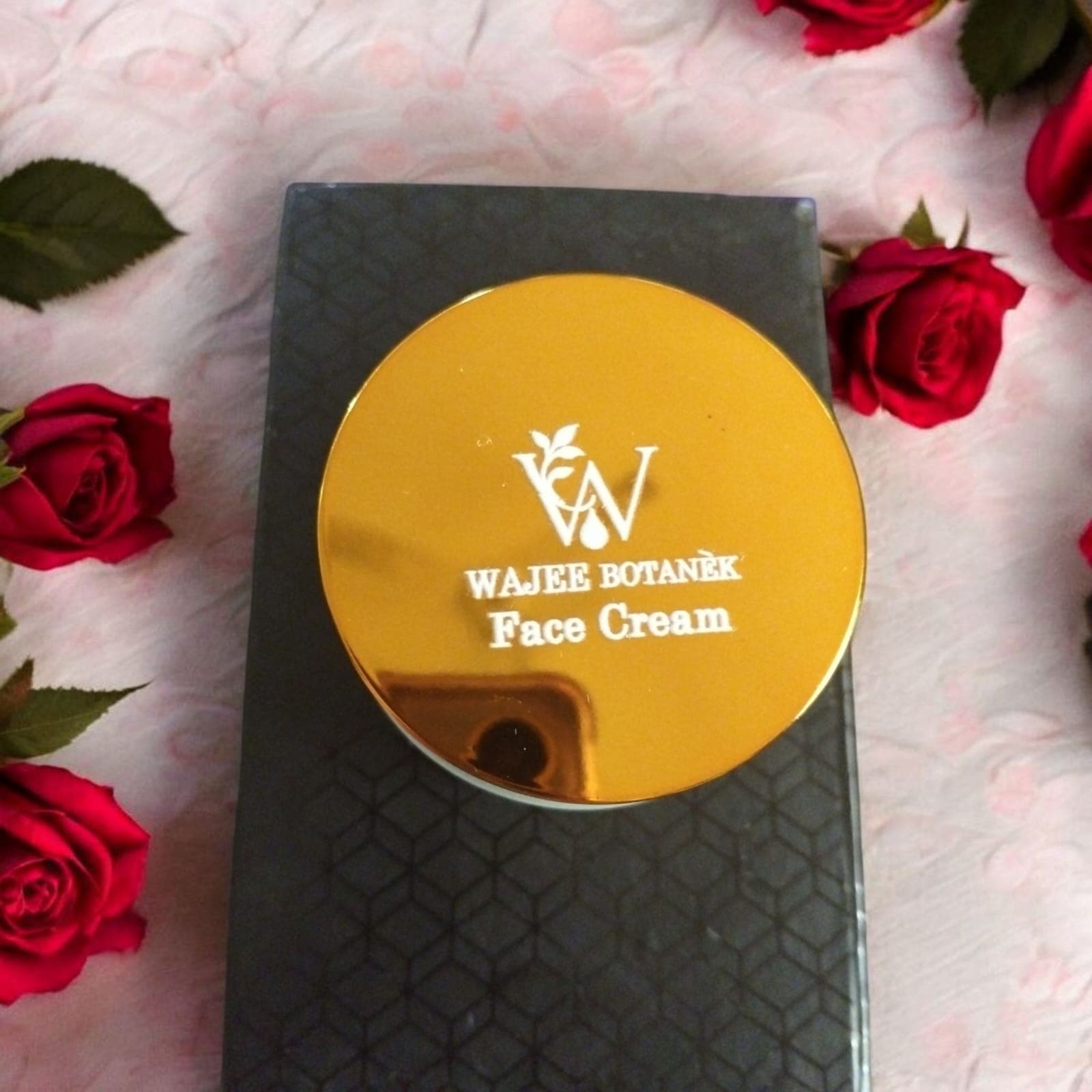
Our Face Whitening Cream is built on shea butter and cocoa butter with botanical extracts — no mercury, no steroids, no hydroquinone. It works the slow way: deep hydration, support for even tone, and gradual fading of dark spots and double-tone patches with consistent use.
We will not tell you it changes your complexion, because it does not and nothing safe does. We ask for eight weeks of nightly use alongside daily sunscreen, and we would rather you check our label than take our word for it.
Frequently Asked Questions
Brightening the Honest Way
Shea butter, cocoa butter and botanical extracts. No steroids, no mercury, no two-week miracles — just consistent care that works over eight weeks.
Face Whitening Cream
PKR 2,200
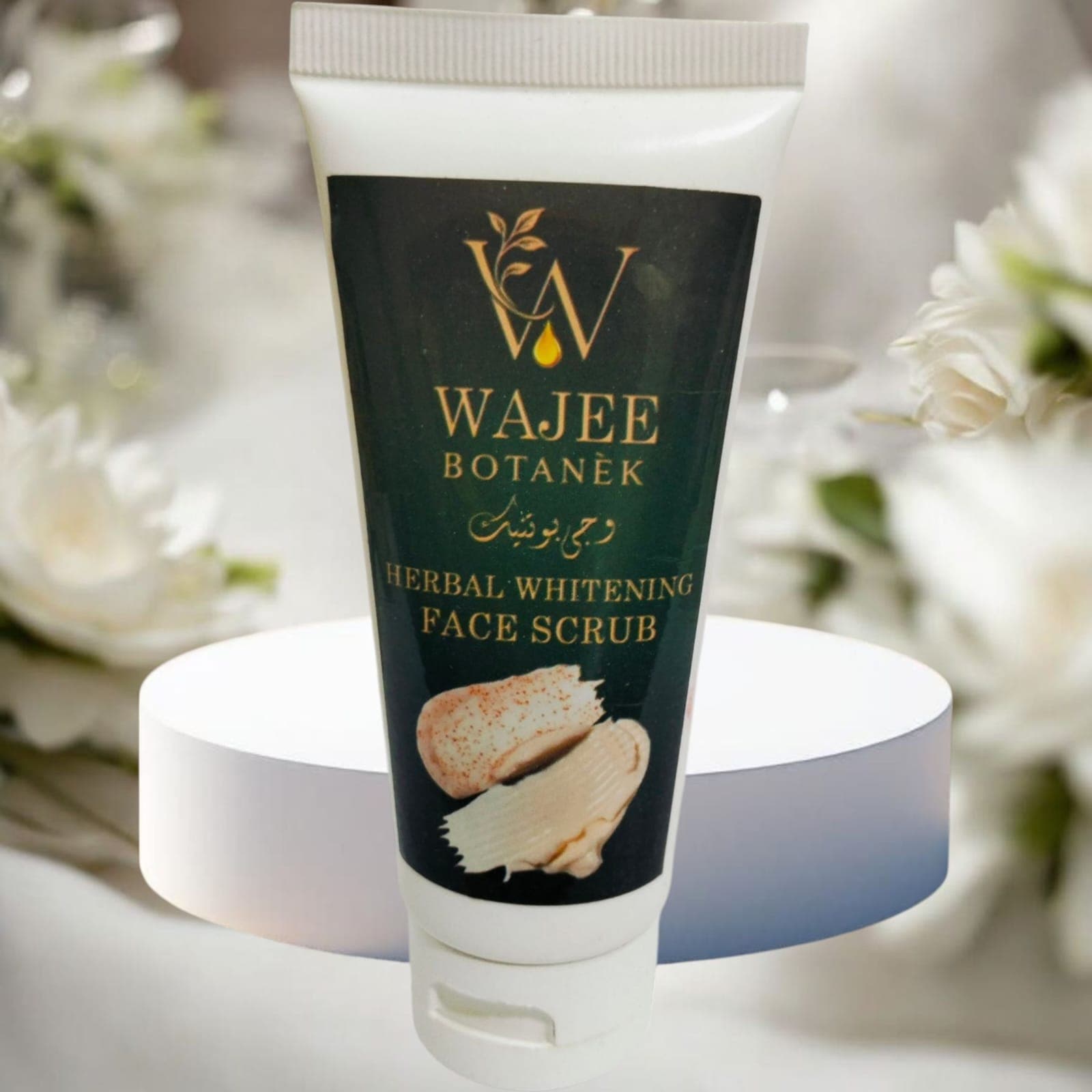
Herbal Whitening Face Scrub
PKR 350
Keep Reading
Dark Spots, Pigmentation & Double-Tone Skin: A Herbal Routine That Works
Not all dark spots are the same, and that's why most routines fail. Here's how to identify which type you have — and the realistic timeline for fading each one.
The 40-Day Dulhan Glow Routine at Home — Week by Week
Forty days is exactly the right amount of time before a wedding — long enough for skin to actually turn over, short enough to stay consistent. Here's the week-by-week plan.
"100% Herbal" — How to Tell a Real Herbal Product From Marketing
'Herbal', 'natural' and 'organic' mean almost nothing on a Pakistani label unless certified. Here's how to check for yourself, in about thirty seconds.