




Dark Spots, Pigmentation & Double-Tone Skin: A Herbal Routine That Works
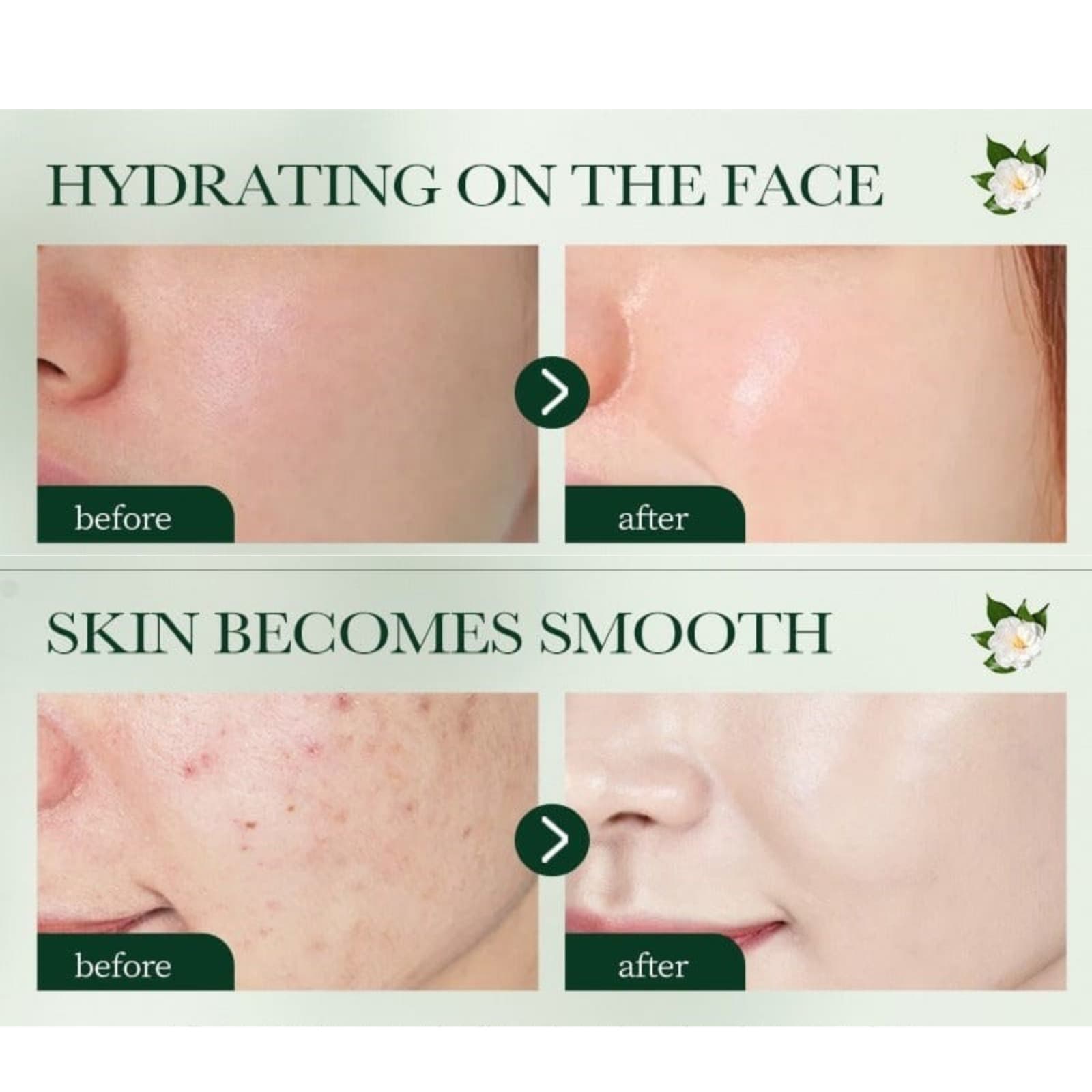
Dark spots are one of the most common skin complaints in Pakistan, and one of the most mishandled. People buy a cream, use it on everything, see partial results, and conclude the cream failed. Usually the cream was simply aimed at the wrong type of pigmentation.
There are four main types, they have different causes, and they respond at very different speeds. Knowing which one you are dealing with saves months of trial and error.
The four types of pigmentation
Post-inflammatory hyperpigmentation (PIH) — The brown mark left behind after a pimple, insect bite, burn or cut. The most common type and the most responsive — usually fades meaningfully in 6 to 12 weeks with the right care.
Sun spots / tanning — Diffuse darkening on the face, neck, arms and hands from UV exposure. Fades over 8 to 16 weeks with strict sun protection and gentle exfoliation.
Melasma — Symmetrical brown or grey patches across the cheeks, upper lip and forehead. Hormonally driven, common in pregnancy and with contraceptive use, and the most stubborn type. Needs a dermatologist.
Double tone — Face noticeably lighter or darker than neck, arms or hands — nearly always sun exposure plus the habit of treating only the face.
If your pigmentation is symmetrical across both cheeks and appeared during pregnancy or after starting contraception, treat it as melasma and see a dermatologist before spending on creams.
Why pigmentation is so common here
Three factors stack up. First, UV exposure is high for most of the year across the country, and pigmentation is primarily a sun problem. Second, deeper skin tones produce more melanin in response to any inflammation — which means acne, waxing, threading and even a mosquito bite are more likely to leave a lasting mark than they would on lighter skin. Third, the cultural habit of covering the face while leaving the neck, arms and hands exposed creates the classic double-tone pattern.
None of this is a flaw in your skin. It is a predictable response to environment and genetics, and it is manageable once treated as such.
The routine: morning and night
Morning — cleanse — A gentle herbal cleanser. Harsh foaming washes cause irritation, and irritation causes more pigment.
Morning — sunscreen — SPF 30 or higher, every day, including cloudy days and indoor days near windows. This is the whole treatment, not a side step.
Night — cleanse — Remove sunscreen, makeup and the day's pollution properly.
Night — brightening cream — Applied to the whole face, with a little extra pressed into the spots.
2× weekly — gentle exfoliation — Clears the pigmented surface layer so the cream reaches live skin. Two minutes, light pressure.
Exfoliation: the accelerator (and the trap)
Pigment sits in the surface layers of the skin, so removing those layers faster genuinely speeds up fading. A gentle herbal face scrub twice a week is one of the most useful things you can do for dark spots.
The trap is that over-exfoliation causes inflammation, and inflammation on deeper skin tones causes more pigmentation. People who scrub daily to clear their spots often end up with worse pigmentation than they started with. Twice a week, gentle pressure, two minutes. That is the whole instruction.
Don't forget the neck, arms and hands
Double tone is almost entirely a treatment-coverage problem. People apply everything to the face and nothing below the jawline, then wonder why the two do not match. The neck, chest, arms and hands get the same sun and need the same care.
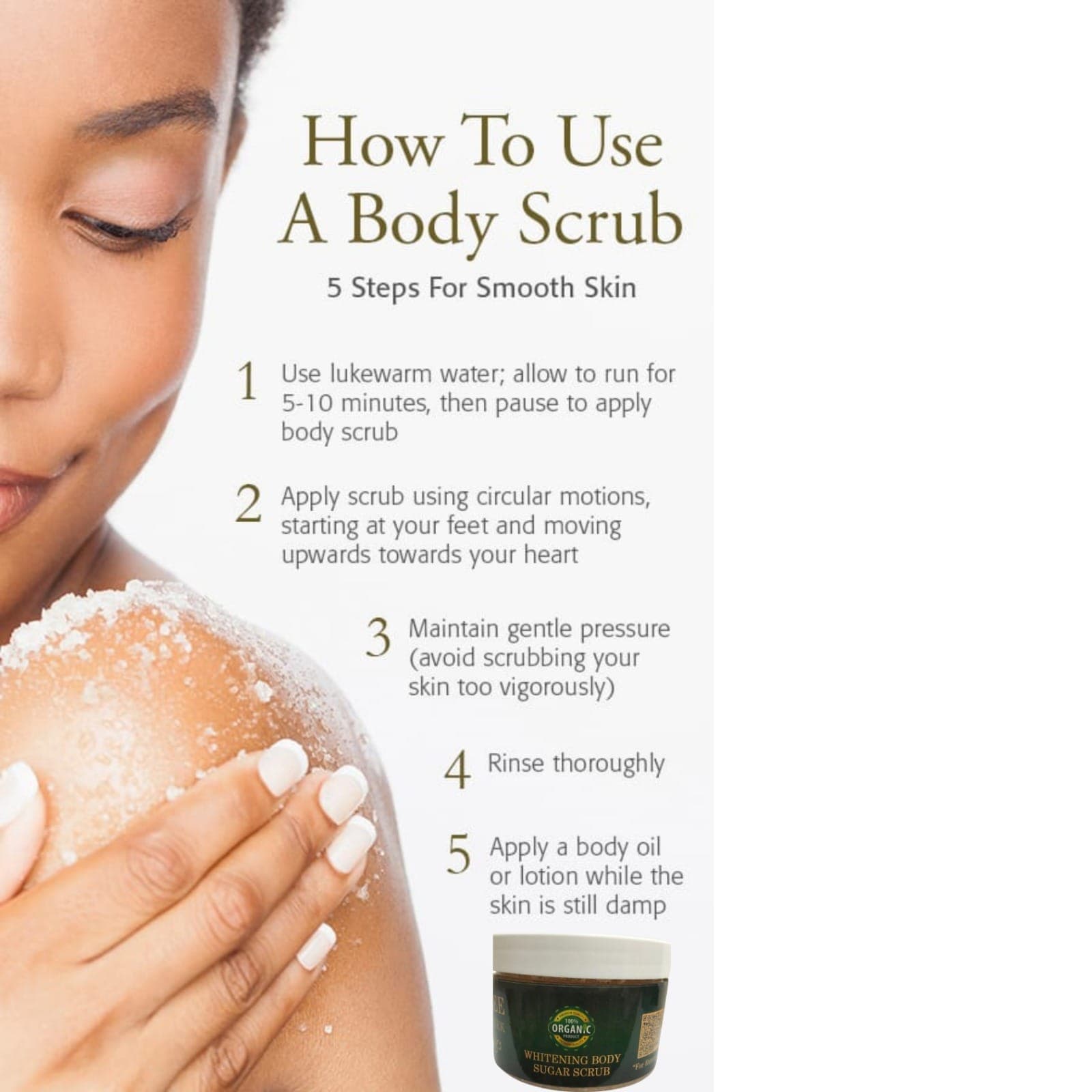
A body scrub twice a week on the neck, shoulders, arms and knuckles, followed by moisturiser, closes that gap faster than most people expect — usually within six to eight weeks.
A realistic timeline
Weeks 1–2 — Nothing visible yet. Texture may feel smoother. This is where most people quit.
Weeks 3–4 — Overall brightness improves. Skin looks less dull. Spots unchanged.
Weeks 5–8 — Recent acne marks and light tanning start visibly fading.
Weeks 9–12 — Older spots lighten. Tone looks more even overall. Double tone narrows.
Beyond 12 weeks — Deep or old pigmentation continues slowly. Melasma usually needs professional treatment.
The habits that undo everything
Picking at pimples — the number one cause of long-lasting dark marks
Skipping sunscreen, or using it only on 'sunny' days
Scrubbing hard, or scrubbing daily
Using bleach creams between brightening treatments — the irritation causes rebound pigmentation
Switching products every three weeks before any of them has had time to work
Treating the face and ignoring the neck and hands
Frequently Asked Questions
The Full Anti-Pigmentation Routine
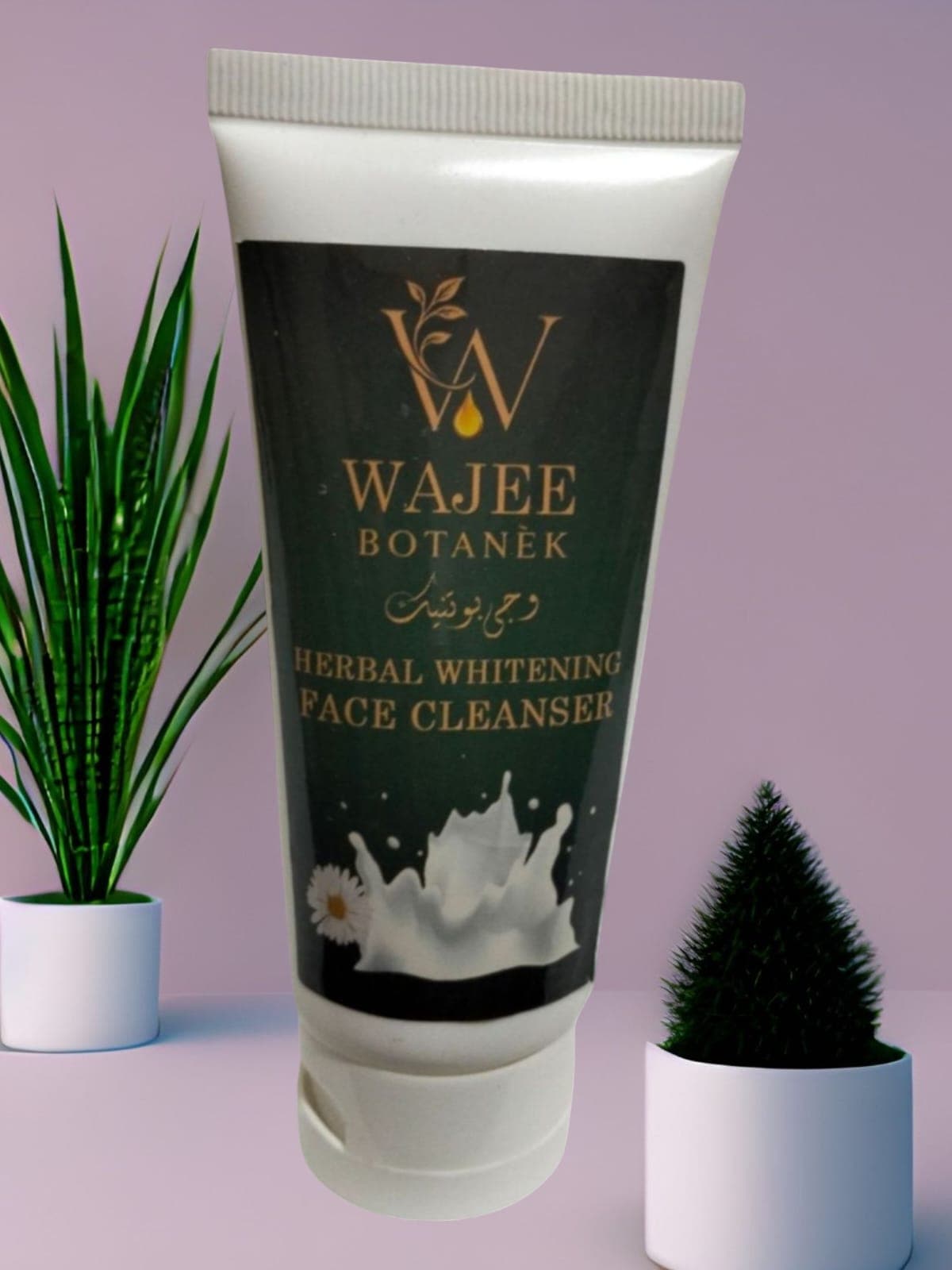
Herbal Face Cleanser for gentle daily washing, Face Scrub twice a week, and Face Whitening Cream every night. Built to work together.

Face Whitening Cream
PKR 2,200
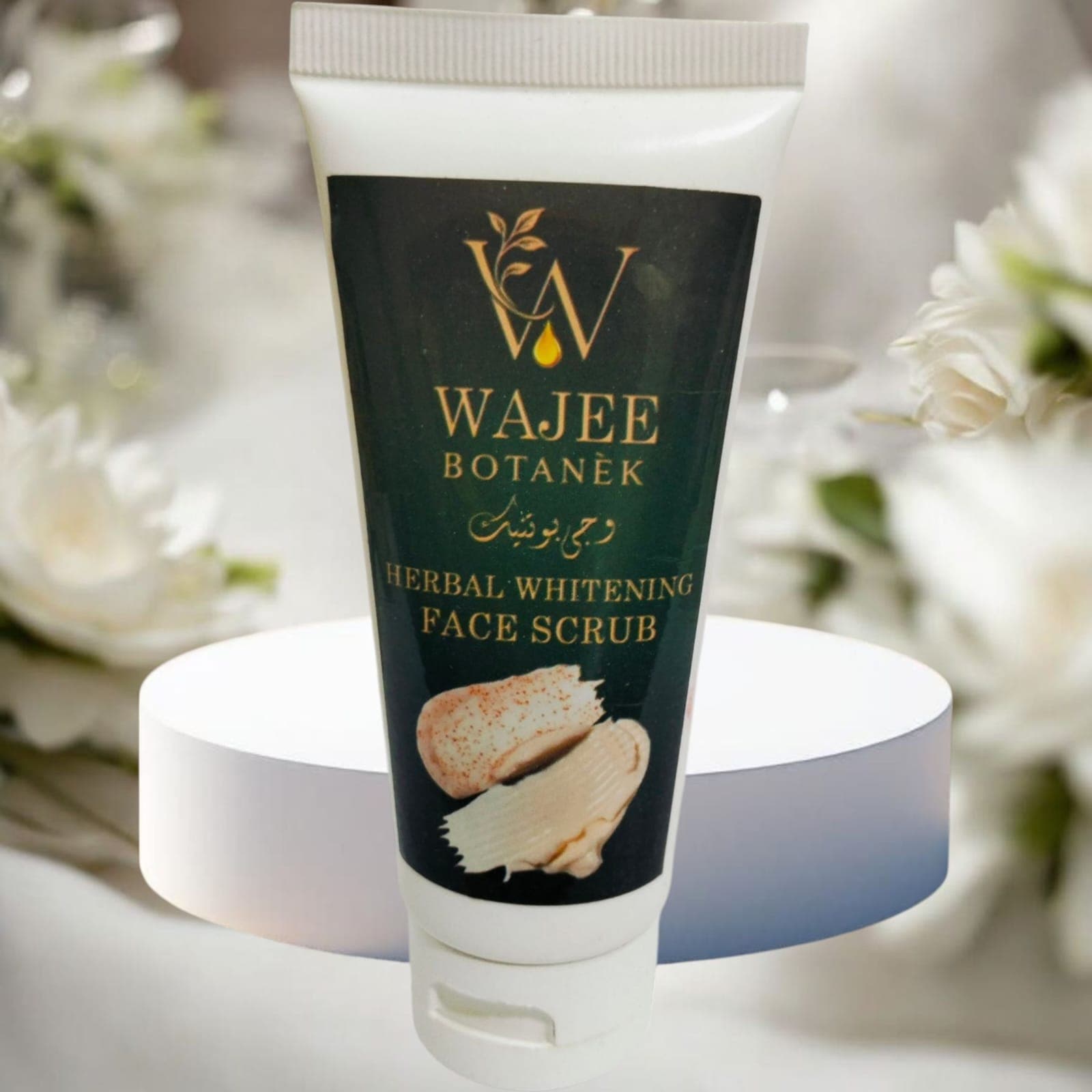
Herbal Whitening Face Scrub
PKR 350
Keep Reading
Best Whitening Cream in Pakistan: How to Spot a Safe One (And Avoid the Dangerous Ones)
Pakistan's whitening cream market is enormous, largely unregulated, and full of products that genuinely damage skin. Here's how to tell a safe cream from a harmful one before you put it on your face.
Tan Removal After a Pakistani Summer: A 4-Week Plan
Six months of 40°C leaves its mark — usually on the arms, neck and hands. Tanning is the easiest pigmentation to fix, and four weeks is genuinely enough.
Face Wash for Oily & Acne-Prone Skin in Pakistan: A Herbal Guide
If your skin is oily by noon and you're washing three times a day to fix it, you're making it worse. Here's how cleansing actually works — and what to look for.