



"100% Herbal" — How to Tell a Real Herbal Product From Marketing
A new herbal brand launches in Pakistan almost every month — one established founder in the sector described exactly that pace. Most are honest small businesses. Some are white-label products from the same three factories with different stickers. A few are actively unsafe.
We are a herbal brand, so we have a stake in this. But that is precisely why we would rather you knew how to check than simply took our word for it. The tests below take under a minute and apply to any product, including ours.
What the words on the front actually mean
'Herbal' — Unregulated. It can legally describe a product containing a trace of one plant extract in an otherwise entirely synthetic base.
'Natural' — Equally unregulated and equally meaningless as a standalone claim.
'Chemical-free' — Scientifically impossible — water is a chemical. It signals marketing rather than formulation knowledge.
'Organic' — Meaningful only with a certifying body named on the label. Without certification it is just another word.
'Dermatologist tested' — Means a dermatologist was involved at some stage. It does not mean they endorsed it or that it passed anything in particular.
None of this means a product without certification is bad. It means the front of the pack tells you nothing, and you have to turn it over.
The 30-second label check
1. Is there a full ingredient list? — If not, stop. Everything else is irrelevant. A brand that won't tell you what's in it has decided you shouldn't know.
2. Read the first three ingredients — They're listed by quantity. If a 'herbal hair oil' starts with mineral oil or paraffinum liquidum, the herbs are decoration.
3. Batch number and dates — Manufacturing and expiry dates, plus a batch number. Their absence means no traceability if something goes wrong.
4. Manufacturer name and address — A real physical address, not just an Instagram handle. This is what makes a brand accountable.
5. Net quantity — Stated clearly in ml or g. Vague sizing usually means vague everything else.
6. Claims that are too good — 'Fair in 7 days', 'cures baldness', 'removes scars permanently'. The bigger the promise, the smaller the truth.
What a genuine herbal product is like to use
Real herbal formulations behave differently from synthetic ones, and the differences are things people often mistake for defects.
Earthy smell — Real herbal infusions smell like plants — slightly bitter, woody, sometimes a bit medicinal. A strong candy-sweet fragrance is almost always synthetic perfume covering a thin formulation.
Muted colour — Herbal products tend toward brown, olive and beige. Bright pink, electric blue and neon green come from dye.
Less lather — Plant saponins foam far less than sulphates. Low lather is a sign of gentleness, not weakness.
Batch variation — Plant material varies by harvest, so slight differences in shade or scent between batches are a sign of genuine ingredients, not inconsistency.
Shorter shelf life — Fewer synthetic preservatives means less time on the shelf. A three-year expiry on a 'preservative-free natural' product does not add up.
Separation — Oil and water-based herbal products often separate and need a shake. That is physics, not spoilage.
The serious red flags
Some warning signs go beyond 'probably not worth the money' and into 'potentially harmful'. These matter most in the skin-lightening category, which is the least regulated and most abused part of the Pakistani beauty market.
Dramatic skin lightening within two weeks — strongly associated with steroids or mercury
Skin that flares badly whenever you stop using the product (classic steroid dependency)
Products sold loose, repackaged, or in unbranded tubs
No ingredient list combined with very strong claims
A seller who cannot or will not answer direct questions about ingredients
Prices far below what the stated ingredients could possibly cost
If a cream has made your skin dramatically lighter in weeks and your skin reacts badly when you stop, stop anyway and see a dermatologist. That pattern needs managing, not another cream.
Do the arithmetic on the price
This is the most useful check of all, and the one almost nobody does. Work out roughly what the claimed ingredients cost.
Cold-pressed coconut, sesame, olive, almond and castor oils are not cheap in Pakistan. Shea butter and cocoa butter are imported. A slow herbal infusion ties up raw material and weeks of time. Now add a bottle, a label, packaging, courier, returns and margin.
A 200ml 'thirty-herb' oil at Rs 250 does not survive that arithmetic. Neither does a shea-and-cocoa-butter cream at Rs 300. The price is telling you what is actually inside.
What we hold ourselves to
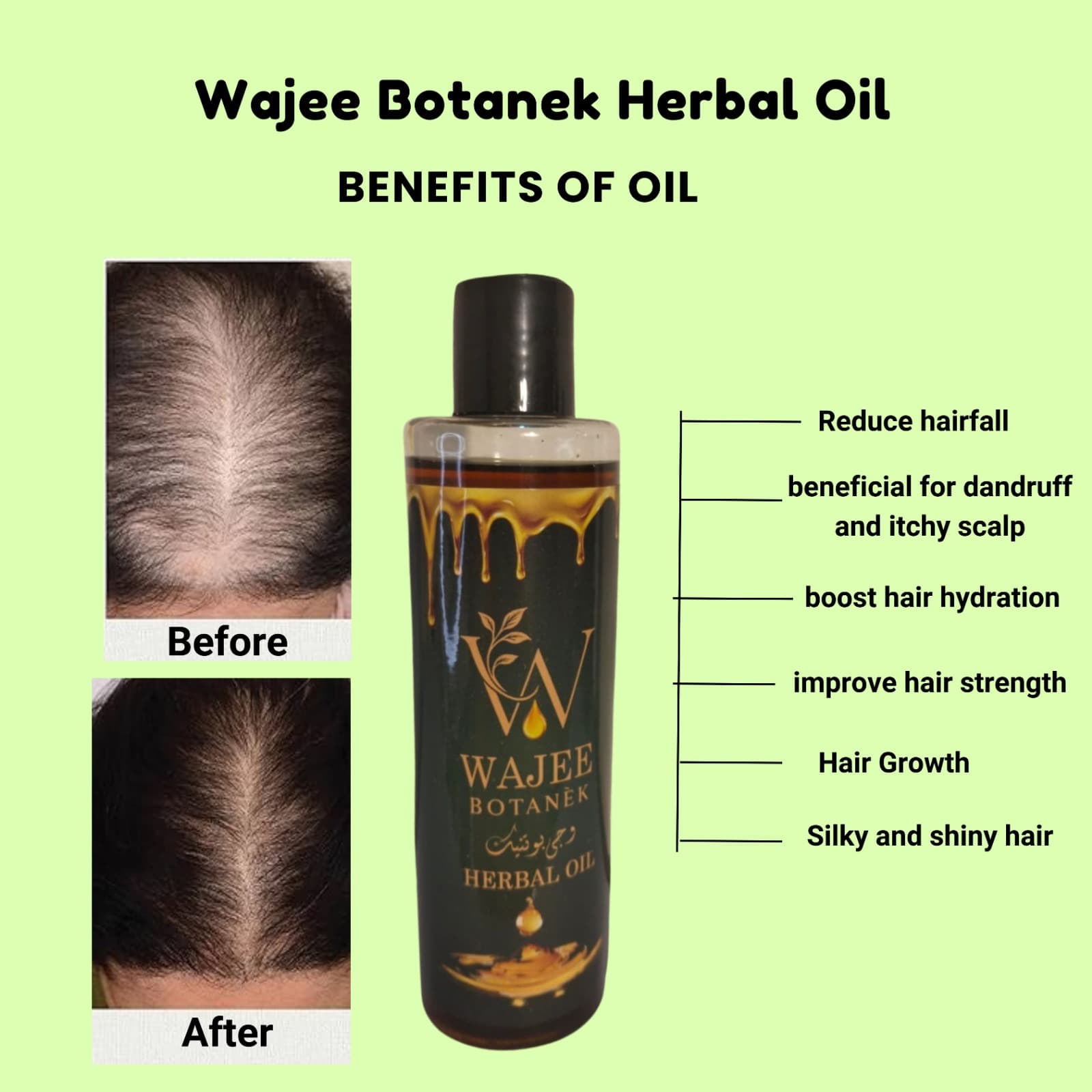
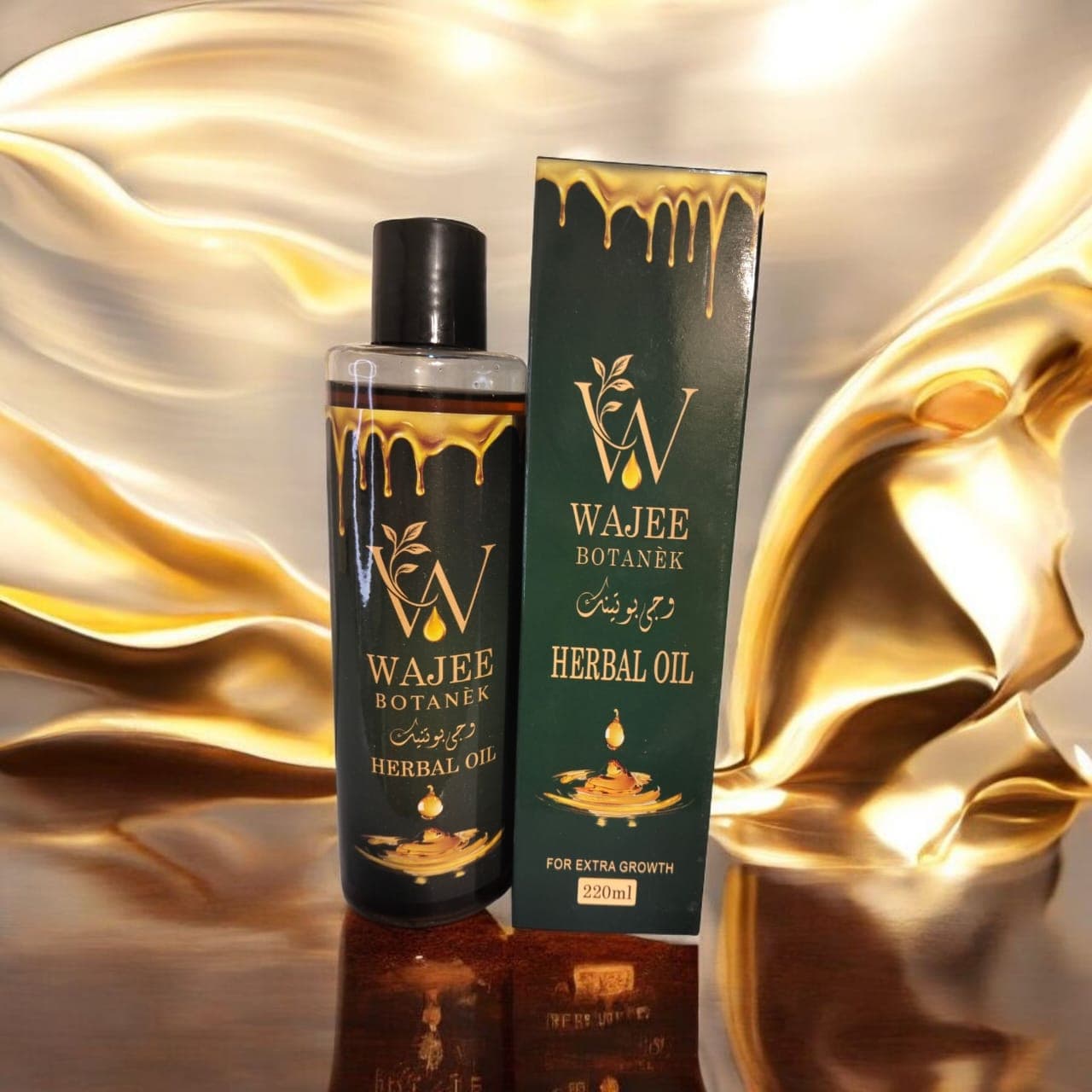
We publish the full ingredient basis of every product on its page — the 55 herbs and six carrier oils in the Herbal Oil, the amla-reetha-shikakai base of the Shampoo, the shea and cocoa butter in the Cream and Scrubs, and the complete top-heart-base note pyramid for every fragrance.
We also do not claim what we cannot deliver. Our brightening cream does not change your complexion. Our hair oil does not regrow genetically lost hair. Our scrub does not remove cellulite. Eight weeks of consistent use is the timeline we ask for, because that is how skin and hair actually work.
If any of that stops being true, the checks above are how you would catch us.
Frequently Asked Questions
Check Our Labels Too
Full ingredient basis published on every product page — 55 herbs and six carrier oils in the Herbal Oil, shea and cocoa butter in the Cream. No two-week miracles.
Keep Reading
Best Whitening Cream in Pakistan: How to Spot a Safe One (And Avoid the Dangerous Ones)
Pakistan's whitening cream market is enormous, largely unregulated, and full of products that genuinely damage skin. Here's how to tell a safe cream from a harmful one before you put it on your face.
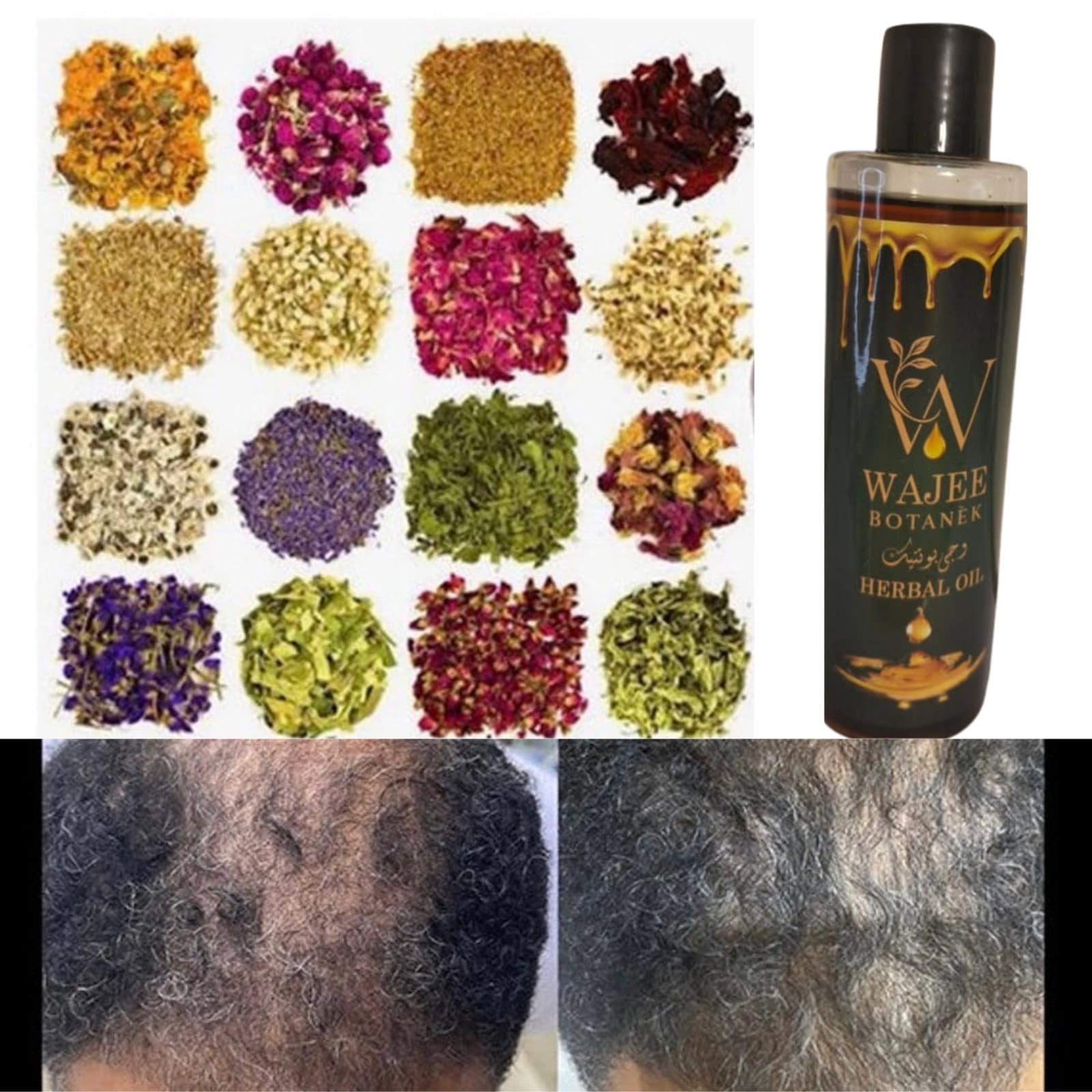
Best Herbal Hair Oil in Pakistan 2026: An Honest Buyer's Guide
Every hair oil on the market claims to be the best. Here's what actually separates a good herbal hair oil from an expensive mineral-oil blend — and how to judge one before you buy.
Amla, Reetha & Shikakai: Why Dadi's Formula Still Beats Your Shampoo
Three ingredients your grandmother used without a single marketing claim behind them. Here's what each one actually does — and why the combination outperforms either on its own.