



Best Herbal Hair Oil in Pakistan 2026: An Honest Buyer's Guide
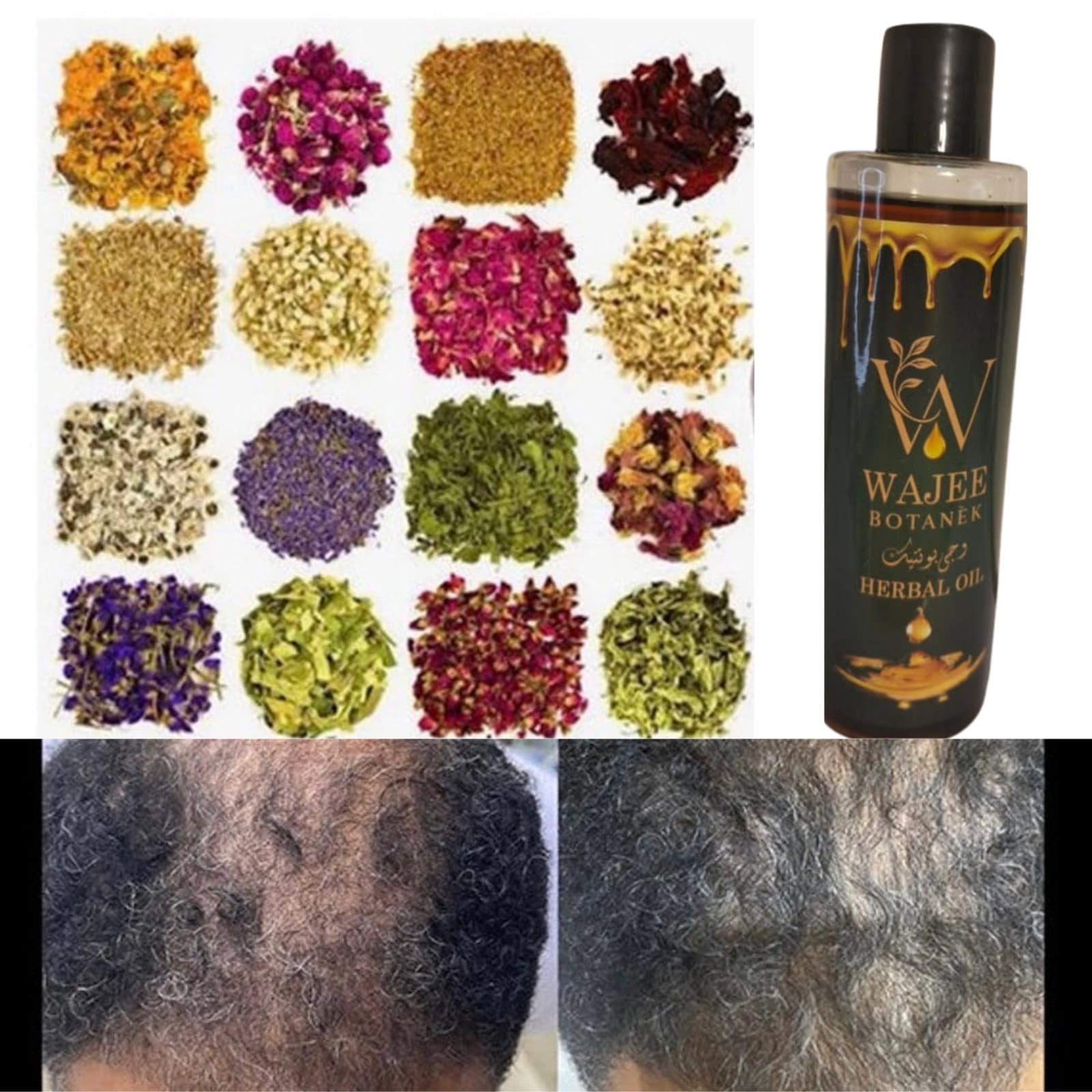
Search for hair oil in Pakistan and you will find a hundred bottles, all claiming to be the best, most of them priced between Rs 200 and Rs 3,000 with nothing on the label to explain the difference. Some are genuinely good herbal infusions. Many are mineral oil with fragrance and a herb printed on the front.
We make hair oil, so treat this as an interested opinion — but everything below is checkable. These are the questions we would ask before buying any oil, including ours.
1. Check the carrier oil first, not the herb list
Every hair oil is mostly carrier oil — the base the herbs are infused into. That base is 80–95% of what you are putting on your head, so it decides most of the result. Coconut oil is the most researched of them all and is unusual in its ability to actually penetrate the hair shaft and limit protein loss during washing. Sesame (til) and olive are rich and good for dry scalps. Castor is thick and conditioning, and almond adds slip and softness.
Mineral oil — listed as paraffinum liquidum, liquid paraffin or white oil — does none of this. It coats the hair and makes it look shiny instantly, which is exactly why cheap oils use it, but it feeds the hair nothing. If mineral oil appears first in the ingredients, you are paying for petroleum and perfume.
Rule of thumb: read the ingredient list from the top. The first three ingredients are most of the bottle.
2. The herbs that have earned their place
Herb counts are a marketing game — '30 herbs' sounds better than '6 herbs' whether or not those herbs are present in meaningful quantity. What matters is whether the classics are there, and whether they were actually infused rather than sprinkled in for the photo.
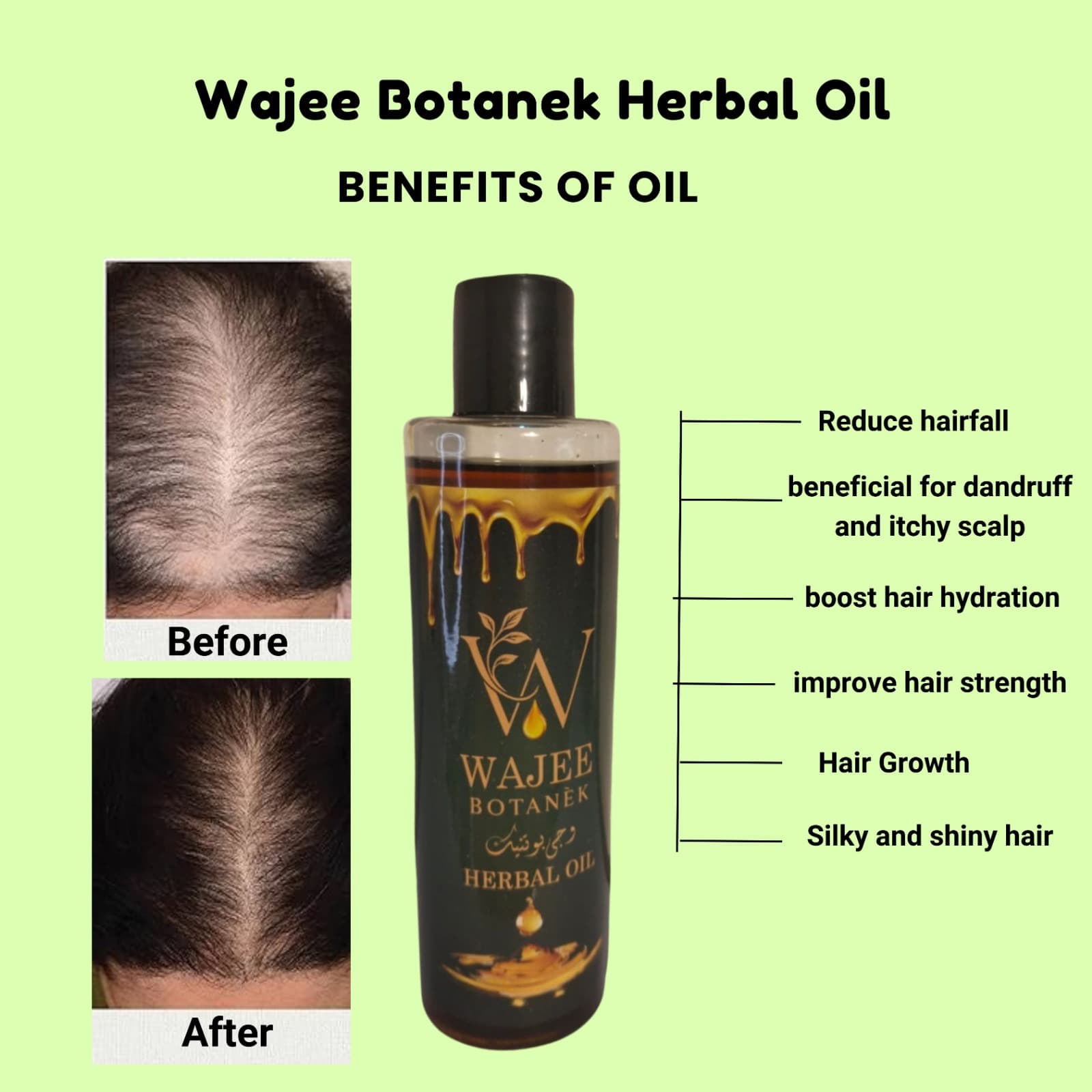
Amla — The backbone of South Asian hair care. Vitamin C rich, traditionally used to strengthen roots and keep hair dark.
Reetha & Shikakai — Natural cleansers with mild saponins — they clean the scalp without stripping it.
Methi dana (fenugreek) — Mucilage-rich, soothing for an irritated scalp and conditioning for the shaft.
Kalonji (black seed) — Traditionally used for scalp health and among the most commonly used herbs in local hair preparations.
Rosemary — The most-studied modern addition to herbal hair oils, used for scalp circulation.
Onion extract — Sulphur-rich; a staple of traditional nuskhas for thinning hair.
Bhringraj & curry patta — Long-standing Ayurvedic ingredients for density and colour retention.
3. Trust your nose — and the sediment
A real herbal infusion smells like herbs: earthy, slightly bitter, a bit like a hakeem's shop. If a hair oil smells like a strawberry candle, the fragrance is covering something, usually the fact that there is very little herb in it.
Sediment at the bottom of the bottle also puts people off, but it is usually the best sign you can get. It means actual plant matter went into the oil and was left to infuse rather than being filtered out to a cosmetic-looking clear liquid.
4. What a real herbal oil should cost in Pakistan
Do the arithmetic. Cold-pressed coconut, sesame, olive, almond and castor oils are not cheap in Pakistan, and a slow herbal infusion ties up raw material and time. A 200ml bottle claiming 30 herbs for Rs 250 cannot contain meaningful quantities of any of them once you account for the bottle, label, courier and margin.
Reasonable pricing for a genuine herbal infusion sits in roughly the Rs 1,500 to Rs 3,000 range for 100–200ml. That is not a rule, but it is the arithmetic. Below that range you are usually buying a mineral oil base; well above it you may be paying for packaging.
5. How to actually use it (most people get this wrong)
The most common mistake is pouring oil over the lengths and ignoring the scalp. The scalp is where the follicles are. The lengths only need what naturally spreads down.
Warm it — Stand the bottle in warm water for a minute. Never microwave it — heat damages the herbal compounds.
Section it — Part the hair into four or five sections so the oil actually reaches the scalp.
Fingertips only — Massage with the pads of your fingers for 5–10 minutes. Never use nails — scratching damages follicles.
Leave 1–2 hours — Overnight is fine if your scalp is dry, but in dusty weather a few hours before washing is better.
Wash it out properly — Apply shampoo to oiled hair before wetting it. It emulsifies the oil far better and saves you a second wash.
6. Red flags on any hair oil label
Mineral oil, paraffinum liquidum or liquid paraffin listed first
No ingredient list at all, just a list of benefits
Promises of visible regrowth in 7 or 15 days — no hair cycle moves that fast
Before/after photos with different hairstyles, lighting and angles
Claims to cure baldness or regrow genetically lost hair
No batch number, manufacturing date or expiry
A hair oil is a cosmetic, not a medicine. Any product claiming to cure a medical condition should raise your eyebrows, not your hopes.
What goes into the Wajee Botanek blend
Our Herbal Oil is a 55-herb infusion in a base of mustard, coconut, castor, sesame, olive and almond oils — no mineral oil, no synthetic fragrance. The herb list includes amla, reetha, shikakai, methi dana, kalonji, rosemary, gudhal ke phool, onion, tulsi, curry patta and fresh aloe vera gel, among others.
It is designed for the four problems Pakistani hair faces most: breakage from hard water, dryness from heat, flaking from dust, and weak roots. We ask for eight weeks of twice-weekly use before you judge it, because that is honestly how long hair takes.
Frequently Asked Questions
55 Herbs. No Mineral Oil. No Shortcuts.
Amla, reetha, shikakai, methi dana, kalonji, rosemary and 49 more — infused into a base of coconut, castor, sesame, olive, almond and mustard oils.
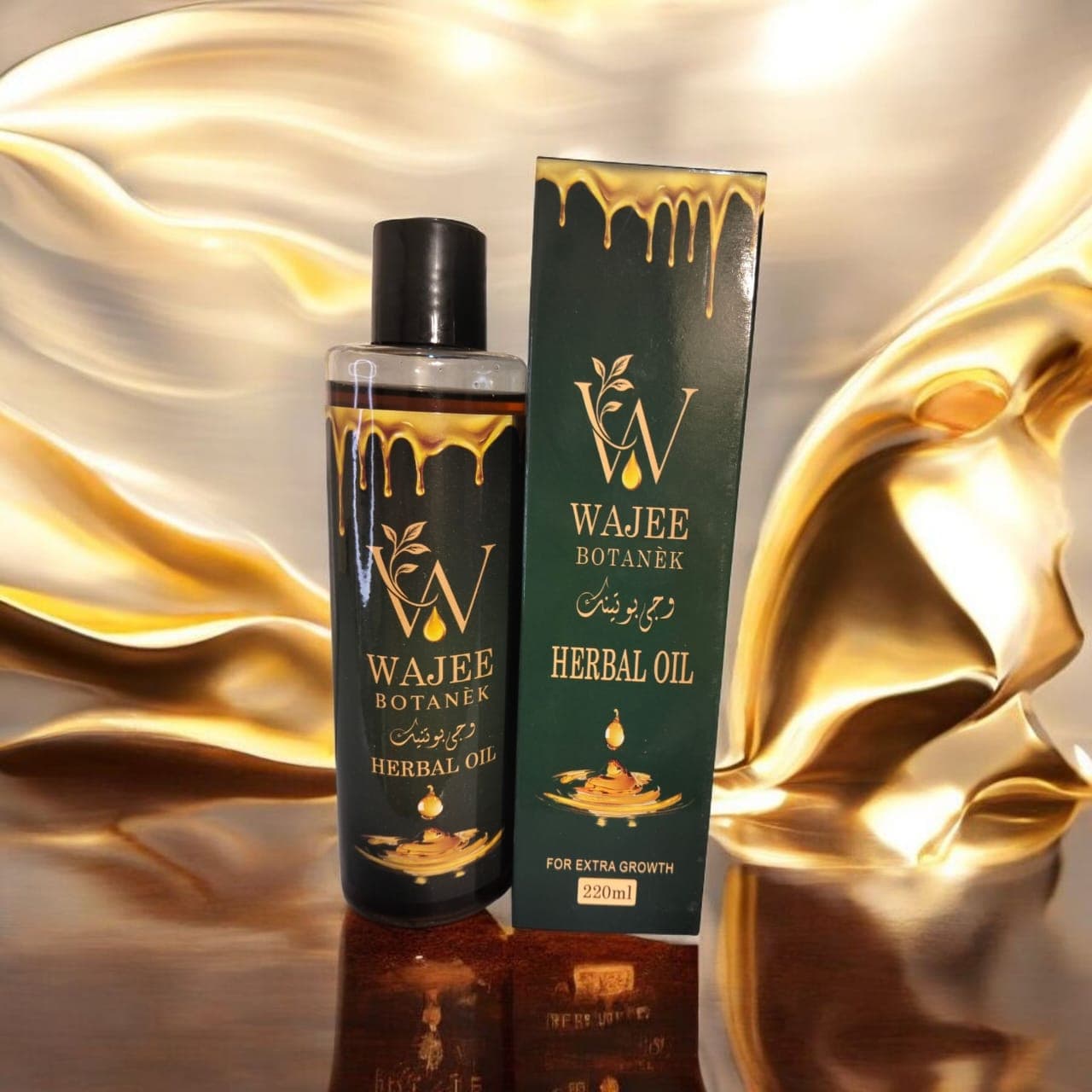
Herbal Oil
PKR 2,500
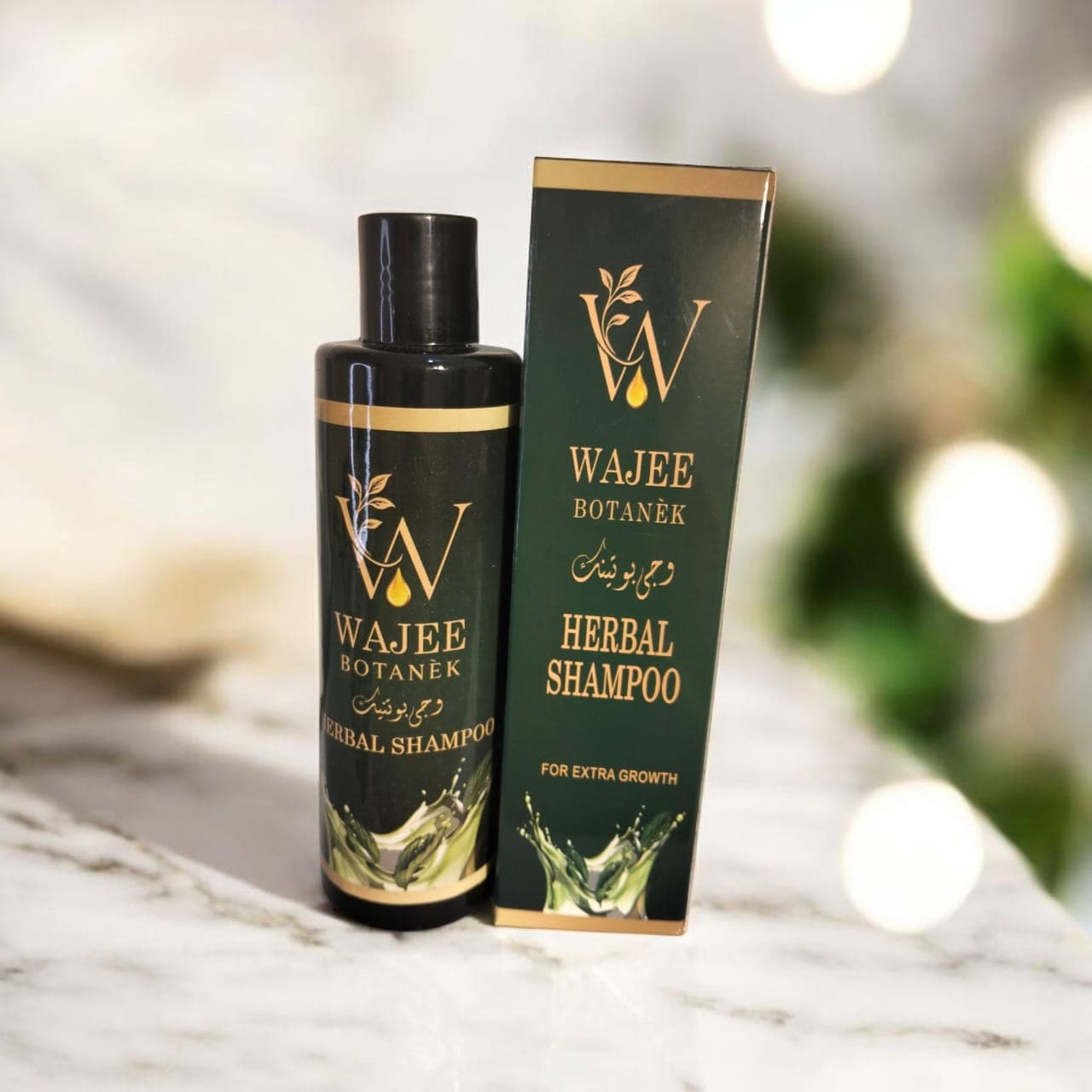
Herbal Shampoo
PKR 1,500
Keep Reading
Hair Fall in Pakistan: 7 Real Reasons Your Hair Is Shedding (And the Herbal Fix)
Losing 50–100 hairs a day is normal. Losing clumps in the shower is not. Here are the seven causes we see most often in Pakistan — and the herbal routine that fixes the ones you can control.
Hair Oiling Guide: How Long, How Often & 6 Mistakes Ruining Your Hair
Oiling is the oldest hair ritual we have, and most people still do it in a way that works against them. Here's the method — and the six mistakes to stop making today.
Amla, Reetha & Shikakai: Why Dadi's Formula Still Beats Your Shampoo
Three ingredients your grandmother used without a single marketing claim behind them. Here's what each one actually does — and why the combination outperforms either on its own.