




Hair Fall in Pakistan: 7 Real Reasons Your Hair Is Shedding (And the Herbal Fix)
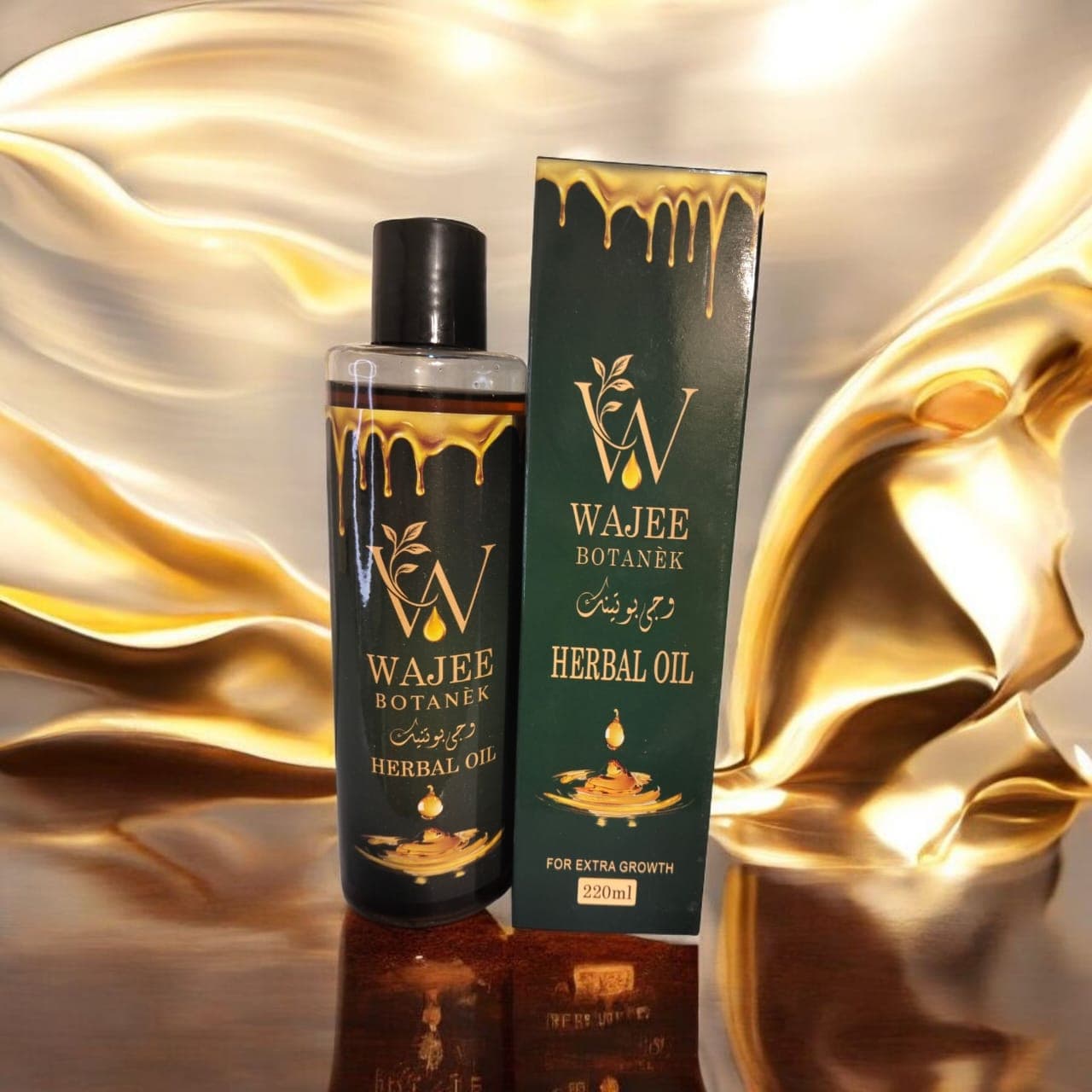
Almost every second person in Pakistan has a hair fall story. The brush that fills up after one stroke. The drain that blocks after every wash. The hairline that has quietly moved back two fingers in three years. It is so common that most people stop treating it as a problem and start treating it as fate.
It isn't fate. Shedding 50 to 100 strands a day is completely normal — that is just the natural growth cycle doing its job. What is not normal is clumps coming out in the shower, visible scalp where there wasn't any, or hair that snaps halfway down the strand instead of falling from the root.
Before you spend another rupee on another product, it helps to know which of the seven causes below is actually yours. Some need a doctor. Most need consistency, not a miracle.
First: is it really hair fall, or is it breakage?
Pick up a fallen strand and look at the end. If there is a tiny white or pale bulb, the hair fell from the root — that is true shedding, usually driven by scalp health, nutrition, hormones or stress. If both ends are simply cut off and the strand is much shorter than your hair length, that is breakage — the hair snapped mid-shaft from dryness, heat or rough handling.
This single check changes your whole approach. Shedding needs work at the scalp and from inside. Breakage needs moisture, oil and gentler handling. Many people in Pakistan treat breakage with hair fall products and wonder why nothing improves.
Quick test: collect your fallen hair for three days. If most strands are full length with a white bulb, it's shedding. If most are short broken pieces, it's breakage — and oil will help you fastest.
1. Hard water — the cause almost nobody talks about
Across Karachi, Lahore, Faisalabad and most of Punjab, tap water carries a heavy mineral load. Calcium and magnesium deposit on the hair shaft with every wash, building up a rough film that makes hair feel straw-like, tangles badly, and snaps when you comb it.
You cannot change your city's water supply, but you can change how you treat your hair in it. A final rinse with filtered or boiled-and-cooled water makes a noticeable difference within a few weeks. So does using a shampoo that cleans without stripping — a harsh sulphate lather on top of hard water is the worst combination for Pakistani hair.
2. Heat, dust and pollution
Between April and September, much of the country sits above 35°C with dust in the air for most of the day. Sweat and dust settle into the scalp, mix with natural sebum, and create the perfect conditions for clogged follicles and itching. A clogged follicle produces weaker hair, and weaker hair falls sooner.
The answer is not washing every single day with a strong shampoo — that creates its own dryness cycle. It is washing regularly with something gentle enough to use three or four times a week, and giving the scalp a proper oil treatment before the wash so it is protected rather than stripped.

3. The wrong shampoo, used the wrong way
Most mass-market shampoos sold in Pakistan are built around strong sulphates because consumers equate lather with cleaning. They do clean — but they also remove the scalp's protective oil layer. The scalp then overproduces oil to compensate, hair gets greasy faster, you wash more often, and the cycle tightens.
A herbal shampoo built on amla, reetha and shikakai cleans through natural saponins instead. The lather is softer and the hair feels different for the first two or three washes while your scalp rebalances — then it settles into hair that stays clean longer and feels stronger at the root.
4. Protein and iron deficiency
Hair is almost entirely keratin — a protein. When protein intake drops, the body prioritises organs over hair, and growth slows before shedding increases. Iron deficiency is extremely widespread among women in Pakistan and is one of the most consistently documented nutritional links to hair loss.
No oil or shampoo can fix a deficiency. If your hair fall came with fatigue, breathlessness on stairs, or pale nail beds, ask your doctor for a simple CBC and ferritin test before buying anything. Eggs, daal, meat, yogurt, nuts and leafy greens do more for hair than most products.
Protein — Eggs, chicken, daal, yogurt, chana
Iron — Red meat, spinach (palak), beetroot, dates
Zinc — Pumpkin seeds, chickpeas, cashews
Vitamin D — Sunlight, eggs, fortified milk
5. Stress and sudden shock (telogen effluvium)
A major stressor — illness, surgery, childbirth, a crash diet, a bereavement, exam season — can push a large number of follicles into the resting phase at once. Two to three months later they all shed together, which is why the hair fall feels sudden and dramatic and seems to come out of nowhere.
The good news: this type is usually temporary and reverses on its own once the trigger passes. What helps meanwhile is keeping the scalp healthy and the hair well-conditioned so the new growth comes in strong instead of brittle. Regular oiling also has a genuinely calming effect — the massage improves circulation and most people find it helps them sleep better.
6. Tight styling and heat tools
Tight joorhas, tight braids and daily tight ponytails pull constantly at the hairline. Over years this causes traction alopecia — thinning specifically at the temples and front hairline, which is far harder to reverse than general shedding. Add a straightener or blow dryer without heat protection and the shaft itself starts splitting.
Loosen the style. Change the parting regularly so the same follicles are not stressed daily. Keep heat tools for occasions, not for every day.
7. Genetics and hormones
Male and female pattern hair loss is genetic and hormonal, and it follows a recognisable map — receding temples and crown thinning in men, a widening parting in women. PCOS and thyroid problems, both common in Pakistan, also show up first in the hair.
This is the category where you should see a dermatologist rather than shop. Herbal care still has a role — healthy scalp conditions and reduced breakage make the hair you do have look fuller — but it is support, not treatment. Anyone promising to regrow genetically lost hair with a bottle of oil is not being honest with you.
The weekly routine we recommend
For the causes you can control — hard water, heat, dust, harsh shampoo, breakage — the routine below is simple enough to actually stick to, which matters more than any single ingredient.
Twice a week — Warm the herbal oil slightly, section the hair, apply to the scalp with fingertips and massage 5–10 minutes. Leave 1–2 hours, or overnight if you can.
3–4 washes a week — Wash with a gentle herbal shampoo. Massage the scalp, not the lengths. Leave 2–3 minutes, then rinse thoroughly.
Every wash — Finish with the coolest rinse you can tolerate — it closes the cuticle and reduces frizz and breakage.
Daily — Comb with a wide-tooth comb from the ends upward. Never comb hair that is soaking wet.
Every day on the plate — One protein source at every meal. Hair is built from what you eat.
Frequently Asked Questions
The Hair Fall Routine, In Two Products
Our 55-herb oil and herbal shampoo are designed to be used together — oil before the wash, gentle herbal cleansing after. Cash on delivery across Pakistan.
Herbal Oil
PKR 2,500
Herbal Shampoo
PKR 1,500
Keep Reading
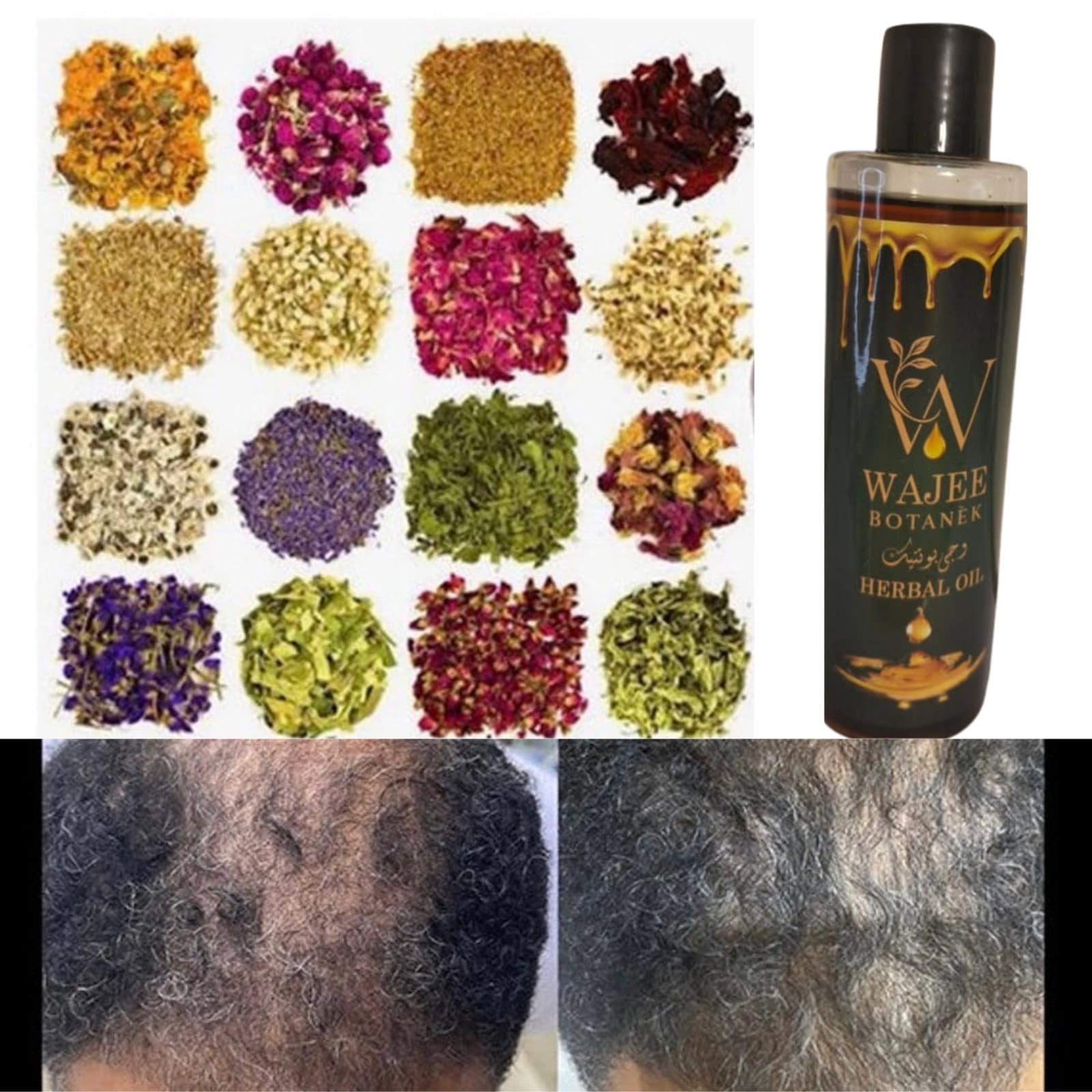
Best Herbal Hair Oil in Pakistan 2026: An Honest Buyer's Guide
Every hair oil on the market claims to be the best. Here's what actually separates a good herbal hair oil from an expensive mineral-oil blend — and how to judge one before you buy.
Baal Lambe Aur Ghane Karne Ka Tarika: 60-Din Ka Herbal Routine
Baal ek raat mein lambe nahi hotay. Lekin 60 din ka ek simple herbal routine — oiling, sahi shampoo aur diet — ke baad farq nazar aata hai. Poora plan yahan hai.
Khushki (Dandruff) Ka Herbal Ilaj: Scalp Care for Pakistan's Weather
Dry flakes and oily yellow flakes are two completely different problems with two different fixes. Treating the wrong one is why most dandruff routines fail.