




Qurān Pak Rehal: Adab, Meaning & How to Choose the Right One
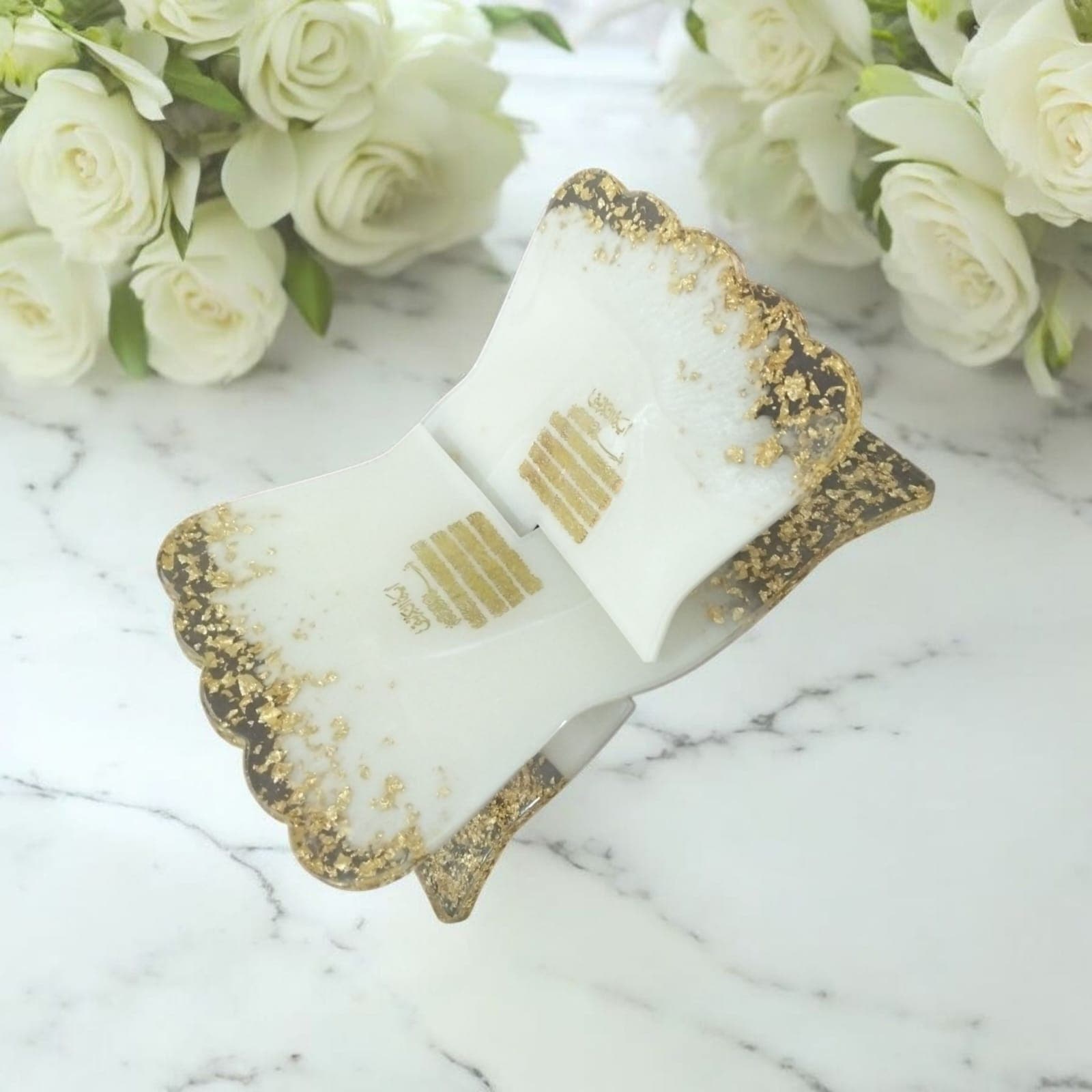
A rehal is one of those objects that has stayed essentially unchanged for centuries because it solves its problem perfectly. Two panels, a pivot, an X-shape — and the Qurān sits raised, open, supported, at a comfortable angle for reading, without anyone needing to hold it.
Most people buy one without thinking much about it, which is a shame, because the choice of rehal affects how often it actually gets used. Here is the adab behind it, and what genuinely matters when choosing one.
What a rehal is and why it exists
The rehal — also called a rihal or a Qurān stand — is a folding X-shaped book rest. The two panels cross at a pivot so it collapses flat for storage and opens into a stable support.
Its purpose is straightforward: the Qurān should be kept elevated and treated with care, and a rehal keeps it raised off the floor, supported at an angle that makes extended reading comfortable, and open at the page without anyone needing to hold it down. For anyone who reads daily, the difference in comfort is considerable.
The adab of keeping a Qurān at home
Across Muslim households in Pakistan, certain practices around handling the Qurān are widely observed. They are about care and respect rather than ceremony.
Keep the Qurān elevated — on a rehal, a shelf or a stand, never directly on the floor
Place it above other books rather than beneath them
Handle it with clean hands; many observe wudu before reading
Close it and cover or store it when you have finished reading
Keep the area where it is kept clean and free from clutter
Avoid placing other objects on top of it
Practices vary between households and schools of thought. If you have a specific question about adab, your local imam or a scholar you trust is the right person to ask.
The types of rehal available in Pakistan
Traditional carved wood — Sheesham or walnut, often hand-carved. Warm, classic and beautiful — but it can dry, crack or warp over years, especially in humid cities, and carved detailing collects dust.
Plain foldable wood — Simple, inexpensive and functional. Perfect for everyday use, less suited to a prayer corner you want to look considered.
Metal and acrylic — Durable and modern. Metal can feel cold and sometimes slides on smooth surfaces; cheap acrylic scratches easily.
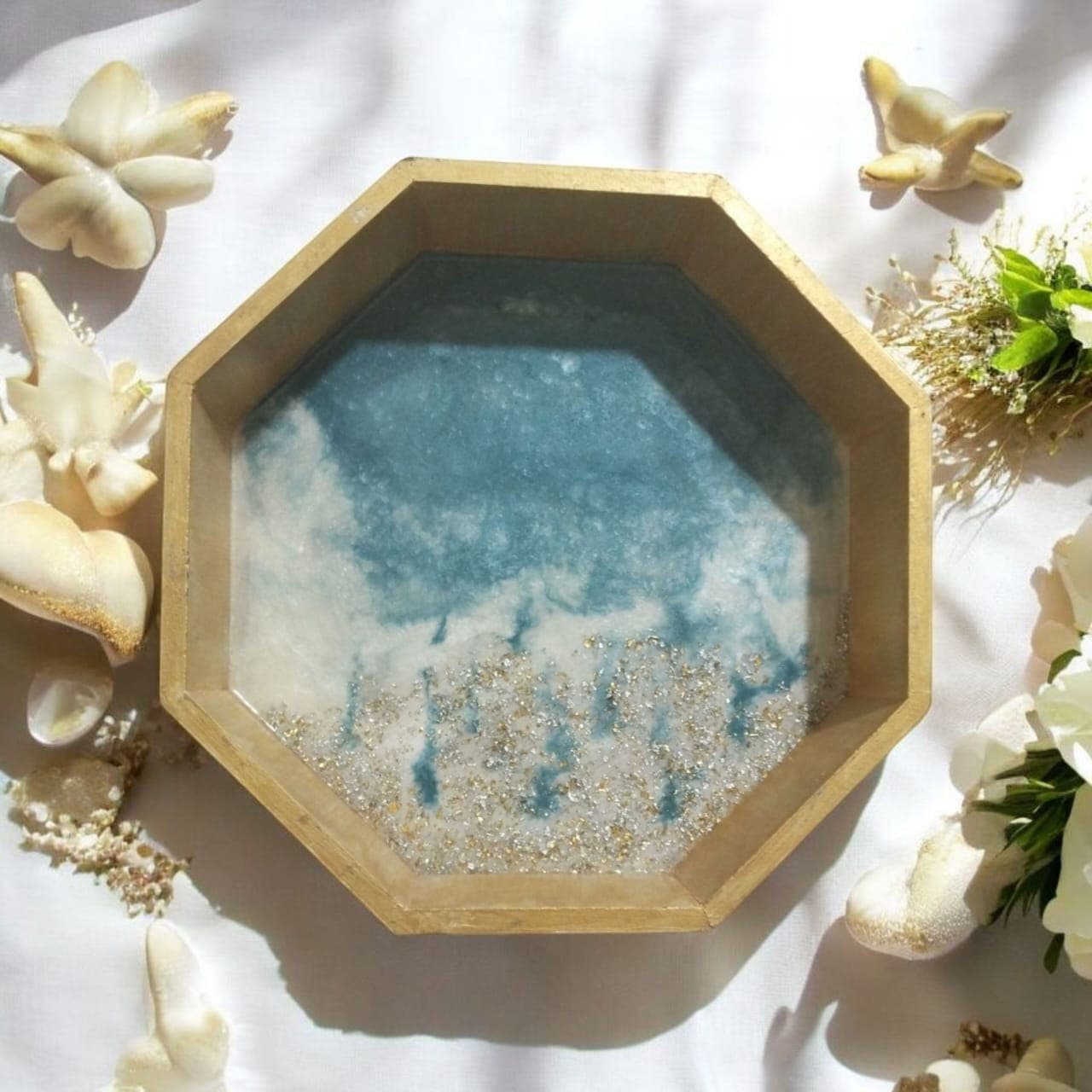
Resin art — Pigments and resin poured and finished by hand. Each piece is one of a kind, the surface is glossy and sealed, and it resists moisture, warping and insect damage — practical points that matter in Karachi and Lahore humidity.
How to choose: the five things that matter
1. Size it to your Qurān — Measure yours first. A 13x9 inch Qurān needs a different rehal from a pocket-sized one. Too small and the pages overhang; too large and it looks disproportionate and holds the book poorly.
2. Stability at the pivot — Open it and press gently on one panel. A good rehal holds position firmly. A loose pivot means a rehal that slowly collapses while you read.
3. The reading angle — Roughly 30 to 45 degrees is comfortable. Too flat and you hunch over it; too steep and the pages want to close.
4. Finish quality — Run a finger along the edges. Rough edges or splinters on wood, bubbles or soft tacky patches on resin — all signs of a rushed finish.
5. Where it will live — A rehal used daily on a bedside table has different needs from one that sits in a prayer corner or is given as a gift. Decide which before you buy.
Why resin art works well for a rehal
Resin art has become popular for Qurān stands in Pakistan for reasons that are practical as much as aesthetic. The cured surface is fully sealed, so it does not absorb moisture, does not warp in humidity, and is not vulnerable to the insect damage that affects untreated wood. It wipes clean with a dry cloth, which matters for something used daily.
Visually, each piece is genuinely unique — the way pigments move through resin during pouring cannot be repeated exactly, so no two rehals come out identical. For a prayer corner, that individuality suits the setting.
The rehal as a gift
In Pakistan a rehal is one of the most thoughtful gifts available, because it is useful, it lasts decades, and it carries a meaning that few objects do. It fits almost every occasion that calls for a gift of substance.
Ameen — Marking the completion of the first full reading — the most natural occasion of all.
Nikkah — A gift for the couple's new home that will outlast almost everything else they receive.
Housewarming — For a prayer corner in a new house.
Eid — For parents and grandparents especially.
Return from Hajj or Umrah — A welcome-home gift with the right weight to it.
A young reader — For a child starting to read independently — a rehal of their own makes it feel significant.
Caring for a rehal
Dust with a dry, soft cloth — weekly is enough
For resin, avoid harsh chemical cleaners; a barely damp cloth is sufficient
Keep out of prolonged direct sunlight, which can dull or yellow any finish over years
Fold and store flat when not in use if space is tight
Keep the pivot clean — dust in the joint is what makes a rehal stiff or loose over time
Frequently Asked Questions
Handcrafted Resin Art Rehals
Each one poured and finished by hand, so no two are identical. Sealed against moisture, easy to clean, and built to last decades.
Qurān Pak Resin Art Rehal
PKR 12,500

Qurān Pak Resin Art Rehal
PKR 3,500
Keep Reading
Islamic Gift Ideas in Pakistan: Nikkah, Ameen & Housewarming
The gifts people actually keep are the ones that get used. Here's what works for each occasion — and the things everyone already has three of.

"100% Herbal" — How to Tell a Real Herbal Product From Marketing
'Herbal', 'natural' and 'organic' mean almost nothing on a Pakistani label unless certified. Here's how to check for yourself, in about thirty seconds.

Impression Perfumes in Pakistan: What They Really Are & How to Judge Quality
An impression perfume is not a fake, and the difference matters — legally and for your skin. Here's how the category actually works and how to judge a good one.