




Khushki (Dandruff) Ka Herbal Ilaj: Scalp Care for Pakistan's Weather
Khushki is one of those problems people quietly live with for years. White flakes on a black shalwar kameez, an itch you scratch without thinking, and a shoulder-check before every event. Most people buy an anti-dandruff shampoo, use it for two weeks, stop when it improves, and watch it come straight back.
The reason that cycle repeats is usually simple: most people are treating the wrong type of dandruff. Dry flaking and oily flaking look similar from a distance but have opposite causes — and the treatment that fixes one makes the other worse.
Which type do you actually have?
Run a clean fingernail gently along a section of scalp and look at what comes away. This is the single most useful thing you can do before buying anything.
Dry dandruff — Small, fine, white, powdery flakes that fall freely onto clothes. Scalp feels tight and itchy. Worse in winter and after hot showers.
Oily dandruff (seborrheic) — Larger, yellowish, slightly greasy flakes that stick to the scalp. Scalp may look red underneath. Worse in humidity and heat.
Product build-up — Flakes that appear only after using gel, wax or heavy serum. Not true dandruff — resolves with proper washing.
If you have the oily type with redness, soreness or flaking on the eyebrows and sides of the nose too, see a dermatologist. That pattern needs a medicated antifungal, and no herbal routine replaces it.
Dry khushki: the Pakistani winter problem
From November to February, the air across most of the country gets dry and cold. People take hotter showers, wash with stronger shampoos because their hair feels oily under caps and shawls, and skip oiling because it feels too heavy under winter clothes. Each of those decisions dries the scalp further.
Dry flaking responds quickly to the right care — usually within two to three weeks, which makes it the easier of the two to fix.
Oil twice a week — Warm herbal oil, massaged into the scalp and left 1–2 hours. This is the main treatment, not an optional extra.
Lower the water temperature — Hot water strips the scalp faster than any shampoo. Lukewarm, and a cool final rinse.
Switch to a gentle wash — A herbal shampoo cleans without stripping the oil layer your scalp is already short on.
Stop scratching — Scratching tears skin, worsens flaking and damages follicles. Oil the scalp when the itch starts instead.
Oily khushki: the summer and humidity problem
The oily type is driven by a yeast called Malassezia that lives on everyone's scalp and overgrows when there is plenty of sebum and warmth to feed on. Karachi's humidity, long hours under a helmet or cap, and heavy sweating create exactly those conditions.
This is the type where adding more oil genuinely backfires — you are feeding the problem. Keep the scalp clean and cool, wash more frequently with a gentle shampoo, and if the flaking is heavy or the scalp is red, get a medicated antifungal shampoo from a pharmacy or dermatologist and use it as directed. Herbal shampoo can then take over for maintenance once it is under control.
Wash every other day to keep sebum from building up
Dry hair properly before covering it — damp hair under a cap is the worst case
Wash caps, helmets liners and pillowcases weekly
Use oil only on the lengths, not the scalp, until the flaking settles
The herbs that genuinely help a flaking scalp
Neem — The traditional go-to for scalp irritation and itching across the subcontinent.
Kalonji (black seed) — Used for generations for scalp conditions; soothing and widely tolerated.
Methi dana — Mucilage-rich and calming for a tight, itchy scalp.
Tulsi — Traditionally used for scalp cleansing and freshness.
Aloe vera — Hydrates and cools inflamed skin — the most immediately soothing of the lot.
Reetha & shikakai — Clean without stripping, which breaks the dry-then-overwash cycle.
A 4-week scalp reset
Week 1 — Oil twice (dry type) or not at all on the scalp (oily type). Wash 3× with a gentle herbal shampoo, massaging the scalp for 2–3 minutes each time.
Week 2 — Same routine. Itching should be reducing. Stop using any gel, wax or heavy styling product entirely.
Week 3 — Flaking should be visibly down. Keep going — this is the week most people stop and relapse.
Week 4 — Settle into maintenance: oil twice weekly, wash three times weekly, cool final rinse, every week.
Frequently Asked Questions
Calm the Scalp, Stop the Flaking
Neem, kalonji, methi dana, tulsi and aloe vera run through both our Herbal Shampoo and 55-herb Herbal Oil — gentle enough for three washes a week.
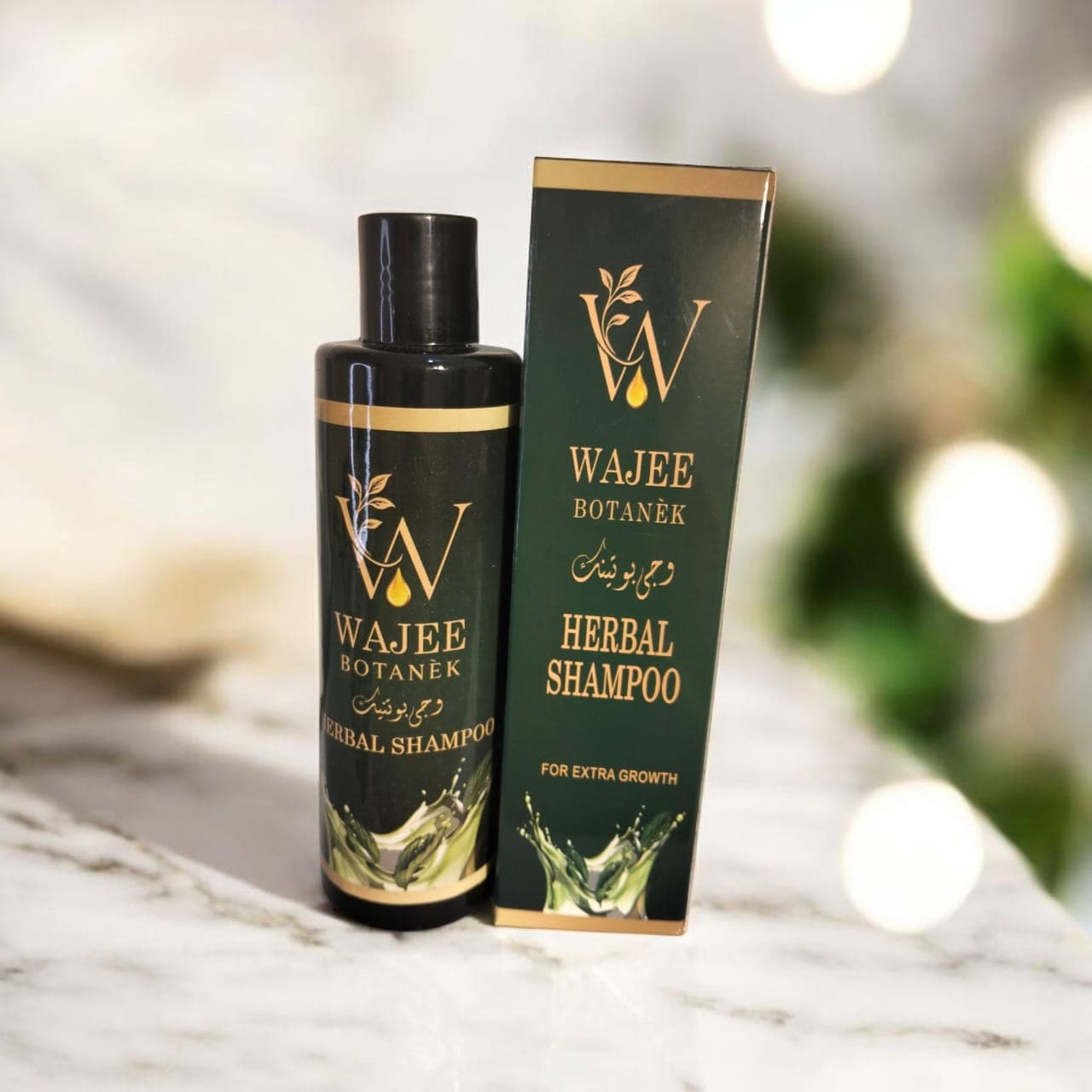
Herbal Shampoo
PKR 1,500
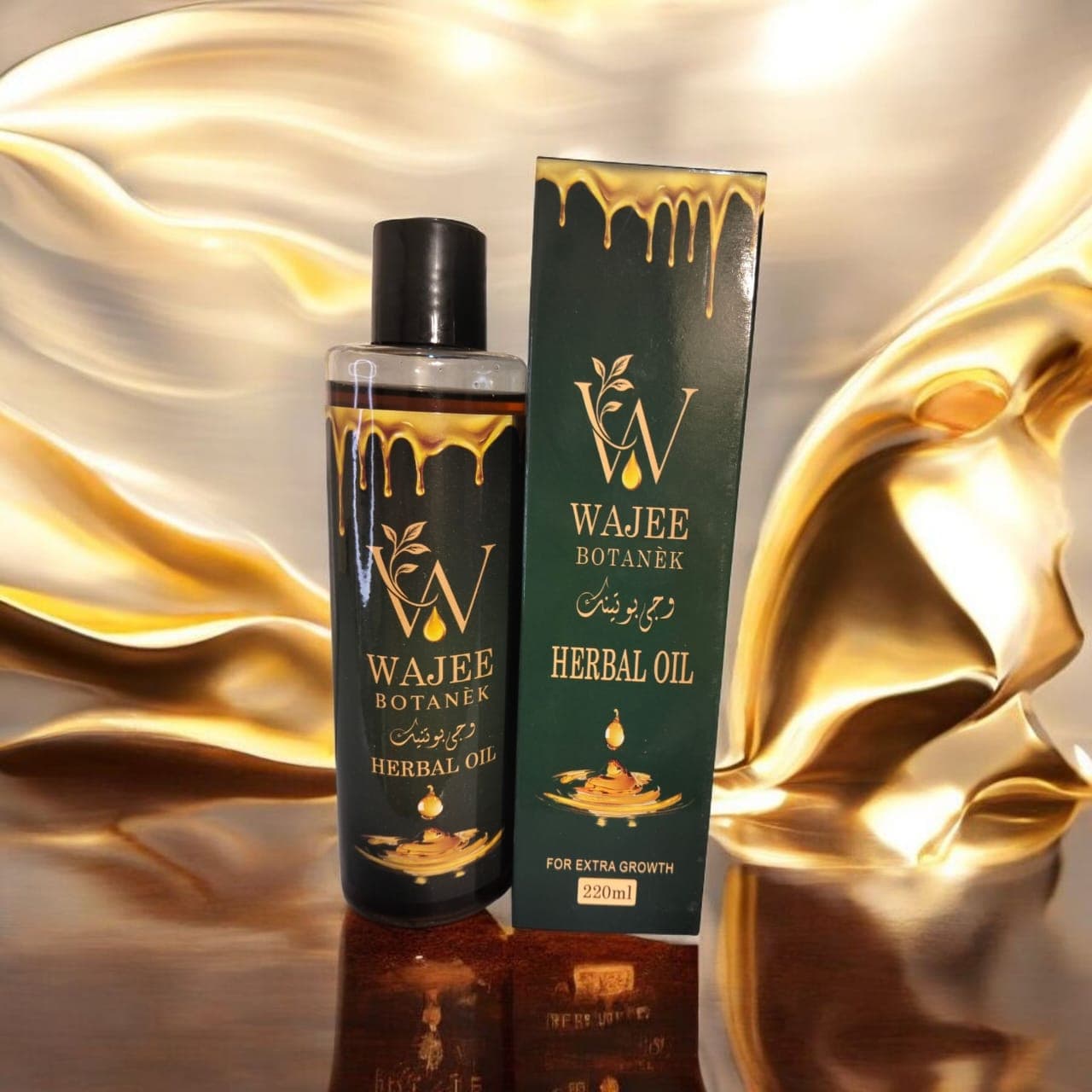
Herbal Oil
PKR 2,500
Keep Reading
Amla, Reetha & Shikakai: Why Dadi's Formula Still Beats Your Shampoo
Three ingredients your grandmother used without a single marketing claim behind them. Here's what each one actually does — and why the combination outperforms either on its own.
Hair Fall in Pakistan: 7 Real Reasons Your Hair Is Shedding (And the Herbal Fix)
Losing 50–100 hairs a day is normal. Losing clumps in the shower is not. Here are the seven causes we see most often in Pakistan — and the herbal routine that fixes the ones you can control.
Hair Oiling Guide: How Long, How Often & 6 Mistakes Ruining Your Hair
Oiling is the oldest hair ritual we have, and most people still do it in a way that works against them. Here's the method — and the six mistakes to stop making today.