



Ubtan vs Modern Sugar Scrub — Which One Should You Use?
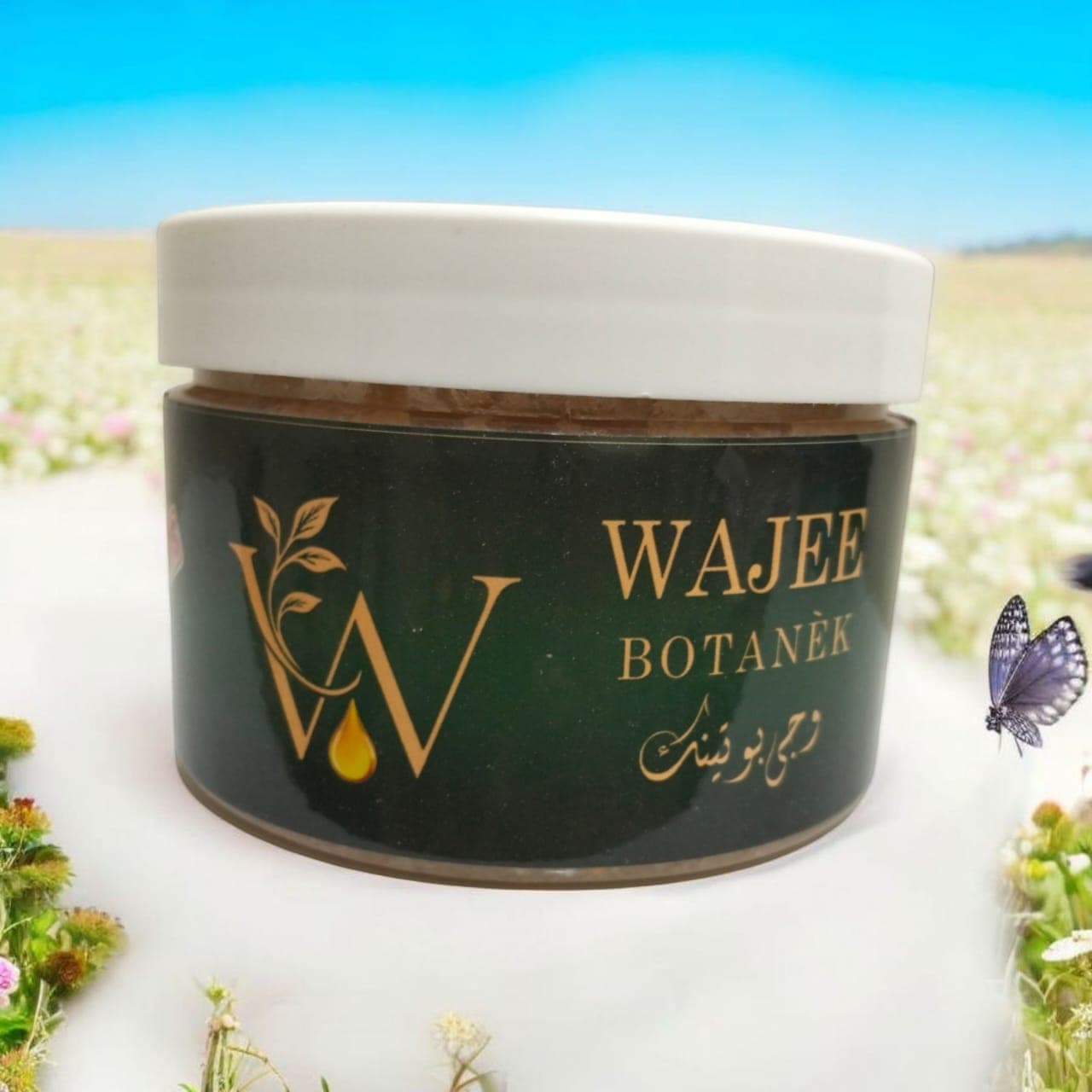
Ubtan is one of the oldest beauty rituals in this part of the world. Besan, haldi, dahi, rose water, sometimes malai or sandalwood, mixed in a bowl and applied before weddings, before Eid, and in many households simply on a Sunday.
Modern sugar scrubs do a related job: exfoliate, brighten, soften. The question people actually ask is whether the traditional version is better, or whether it is nostalgia doing the talking.
The honest answer is that they are good at different things, and plenty of households use both.
What ubtan actually is
Traditional ubtan is a paste, usually besan (gram flour) as the base, with turmeric, yogurt or milk, and often rose water, sandalwood, or malai. It is applied, left to dry partially, then rubbed off — and that rubbing-off is where the exfoliation happens.
Ubtan has been used for centuries as both a bridal preparation and an everyday brightener, and it remains one of the most trusted natural skincare traditions across Pakistan and the wider region. Its reputation is earned: besan is mildly exfoliating and absorbs excess oil, turmeric has long been used for its brightening and anti-inflammatory associations, and yogurt contributes mild lactic acid.
What a modern sugar scrub does differently
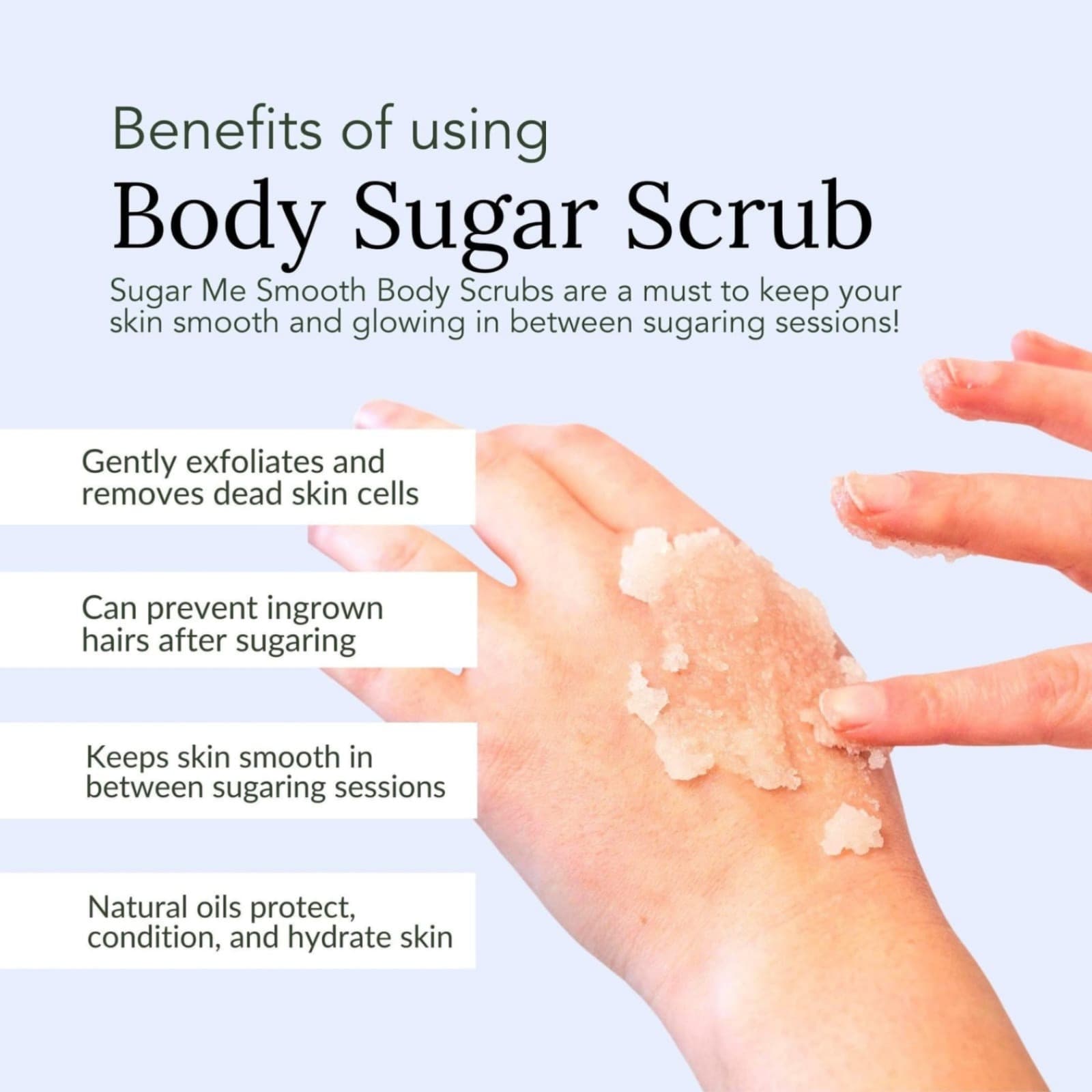
A sugar scrub works through immediate physical friction. Sugar crystals suspended in oils and butters are massaged across damp skin, lifting dead cells straight away, and dissolving as they go so the scrub gets gentler toward the end.
The key structural difference is that a good sugar scrub moisturises while it exfoliates. Shea butter, cocoa butter and herbal oils stay on the skin after rinsing. Classic ubtan, being flour and water based, tends to leave skin feeling clean but tight — which is why it is traditionally followed by oil or malai.
Side by side
Exfoliation — Sugar scrub is more effective and immediate. Ubtan is milder and works gradually.
Moisturising — Sugar scrub wins clearly — the butters stay behind. Ubtan can be drying without a follow-up oil.
Cost — Ubtan is far cheaper if made at home from pantry ingredients.
Time and mess — Sugar scrub takes five minutes in the shower. Ubtan takes mixing time, drying time, and leaves the bathroom covered in yellow.
Consistency — A ready scrub is identical every time. Home ubtan varies with every batch.
Staining — Turmeric stains skin, nails, towels and clothes — a genuine problem on lighter skin tones and white fabric.
Skin safety — Both are gentle when used correctly. Ubtan with lemon added — a very common addition — can irritate and increase sun sensitivity.
If you make ubtan at home, skip the lemon. It's the most common addition and the one most likely to cause irritation and photosensitivity.
Which should you choose?
Choose ubtan if — You enjoy the ritual, you want full control of ingredients, your skin is sensitive to friction, or budget is the priority.
Choose a sugar scrub if — You want results with less effort, your skin runs dry, you want the moisturising benefit built in, or you simply will not mix a paste twice a week.
Use both if — You're preparing for a wedding. Many brides use ubtan once a week for the ritual and a sugar scrub twice a week for the consistent work.
For bridal preparation specifically
The traditional forty-day pre-wedding ubtan ritual is sound in principle — roughly one full skin renewal cycle of consistent care. The practical problem is that very few brides actually mix a fresh paste three times a week for six weeks while also managing everything else a wedding involves.
This is where a ready-made scrub earns its place. Consistency beats authenticity when it comes to results: a sugar scrub used faithfully twice a week does far more than an ubtan ritual abandoned after week two.
If you do want to make ubtan at home
Base — 4 tablespoons besan (gram flour)
Brightening — ½ teaspoon haldi — no more, or you will be yellow for two days
Liquid — Yogurt for oily skin, milk or malai for dry skin
Optional — A teaspoon of rose water, or a pinch of sandalwood powder
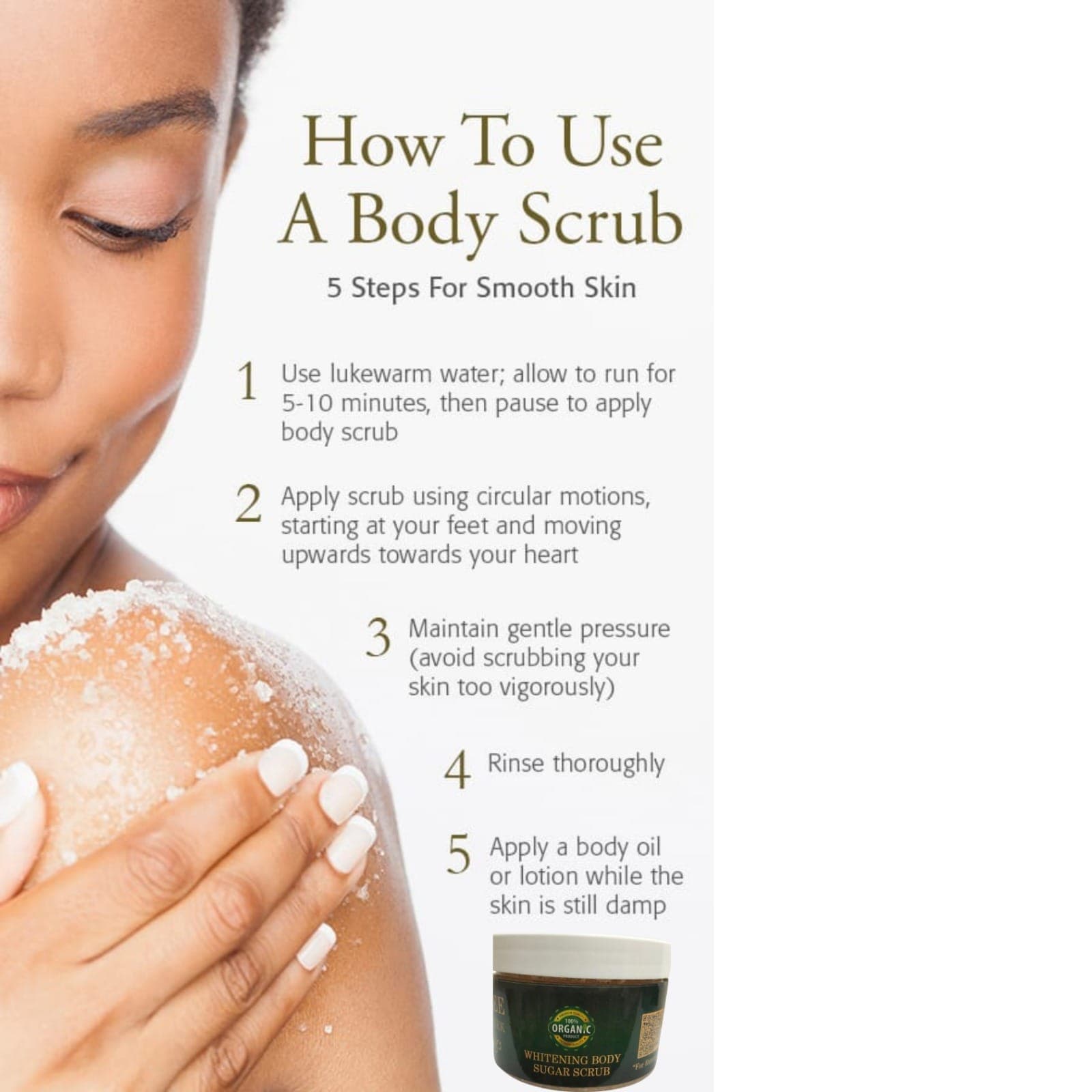
Method — Mix to a thick paste, apply, leave 10–15 minutes until partly dry, rub off gently in circular motions, rinse with lukewarm water, moisturise immediately.
Skip entirely — Lemon juice — acidic, irritating, and it increases sun sensitivity.
Frequently Asked Questions
The Ritual, Without the Mess
Pure sugar crystals, herbal oils, shea butter and cocoa butter — the exfoliation of a traditional ubtan with the moisturising a flour paste can't give you.
Whitening Body Sugar Scrub
PKR 1,350
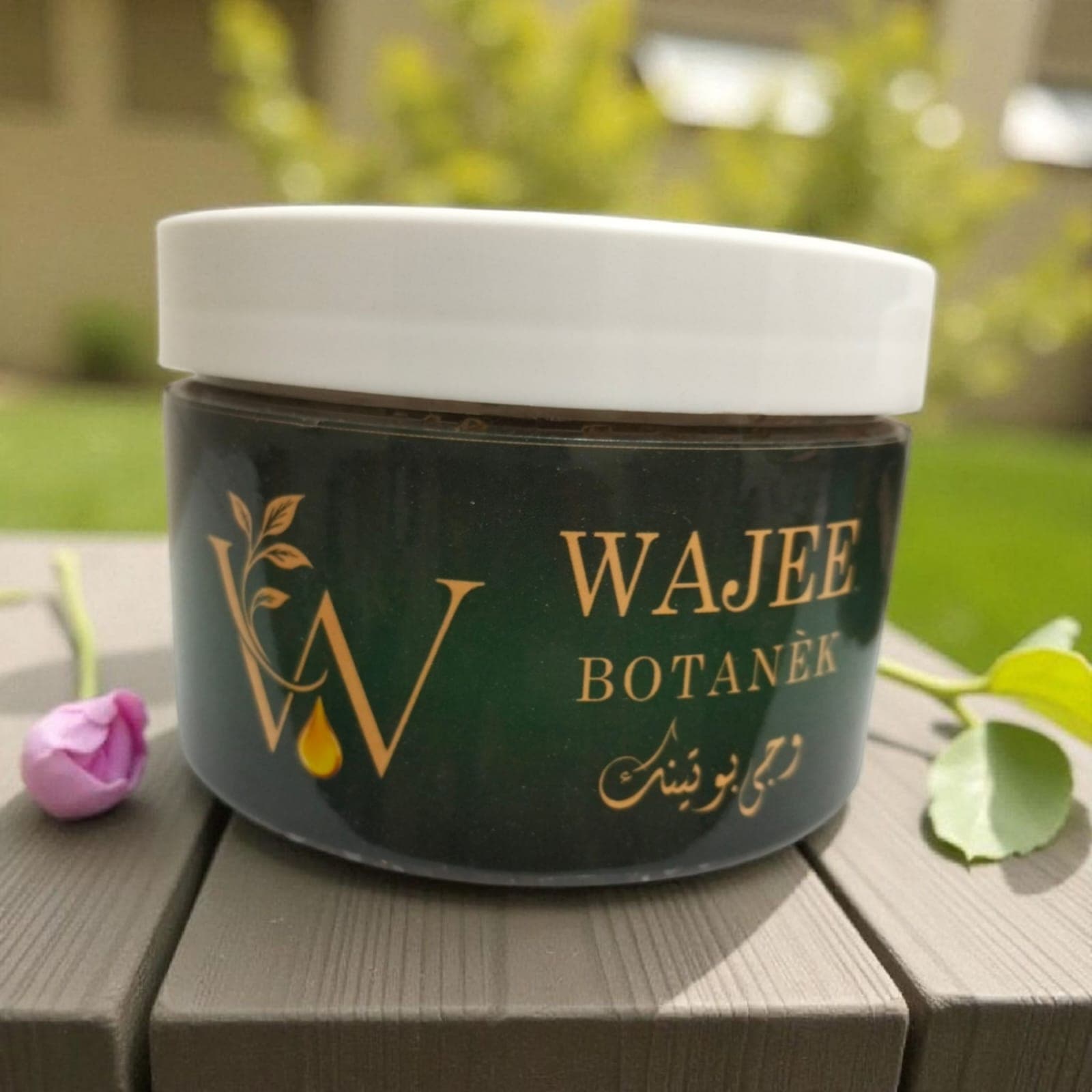
Herbal Coffee Body Sugar Scrub
PKR 1,350
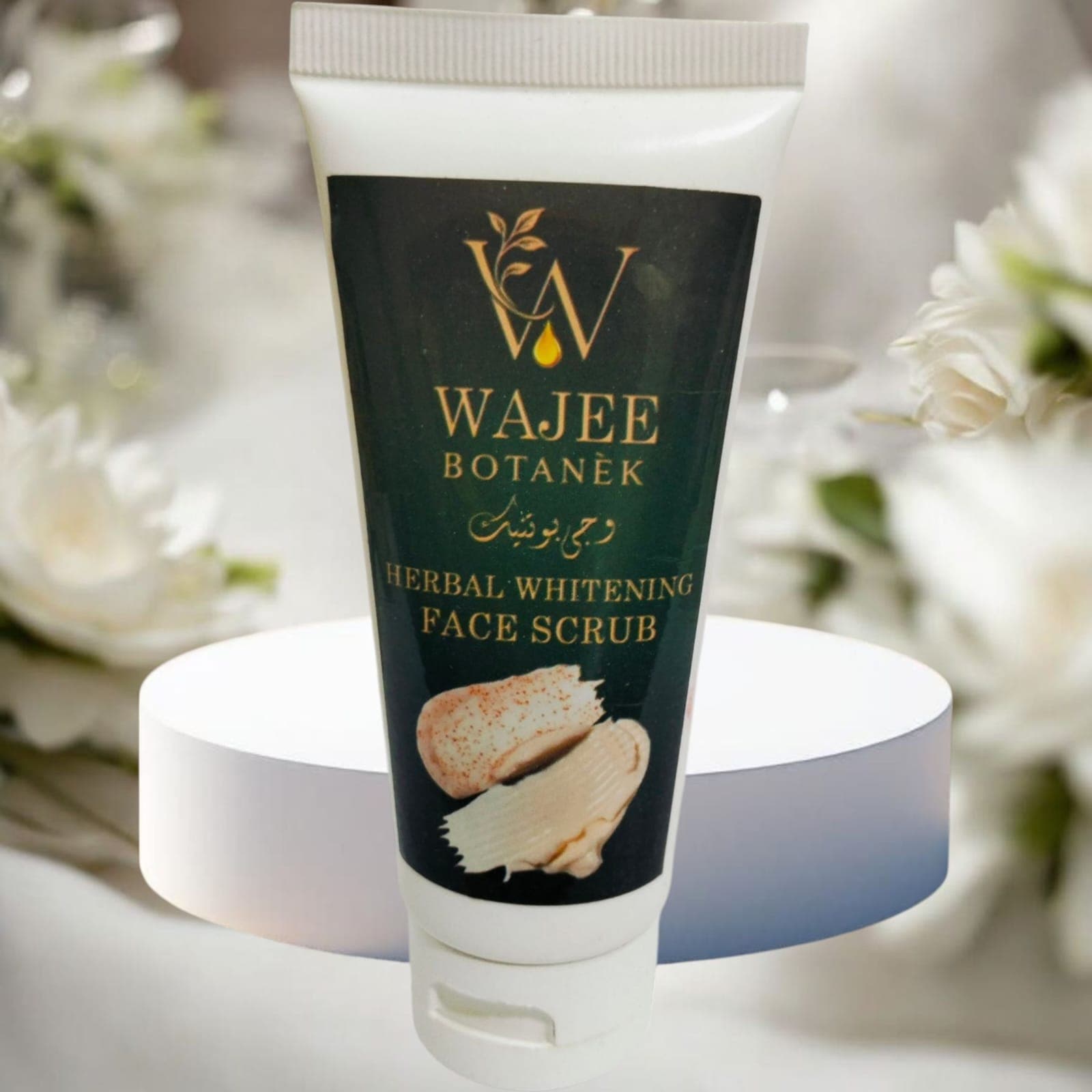
Herbal Whitening Face Scrub
PKR 350
Keep Reading
Coffee Body Scrub Benefits: Why Coffee + Sugar Works on Pakistani Skin
Coffee scrubs are everywhere, and most of the claims around them are exaggerated. Here's what coffee genuinely does on skin — and why it pairs so well with sugar.
The 40-Day Dulhan Glow Routine at Home — Week by Week
Forty days is exactly the right amount of time before a wedding — long enough for skin to actually turn over, short enough to stay consistent. Here's the week-by-week plan.
Tan Removal After a Pakistani Summer: A 4-Week Plan
Six months of 40°C leaves its mark — usually on the arms, neck and hands. Tanning is the easiest pigmentation to fix, and four weeks is genuinely enough.